Start with the equipment and the project
This page is about a used air-cooled chiller in Florida and the decisions that accompany a used-equipment sale. A non-running machine, an incomplete label or an uncertain service history can still be discussed; do not start or dismantle equipment just to ask for an offer. We buy commercial chillers throughout Florida and consider all refrigerants and tonnages. The owner should identify the machine and the person who can approve its sale, while the facility contact can help explain access. Removal and payment details are then addressed in the proposed agreement.
What is distinctive about an air-cooled chiller sale?
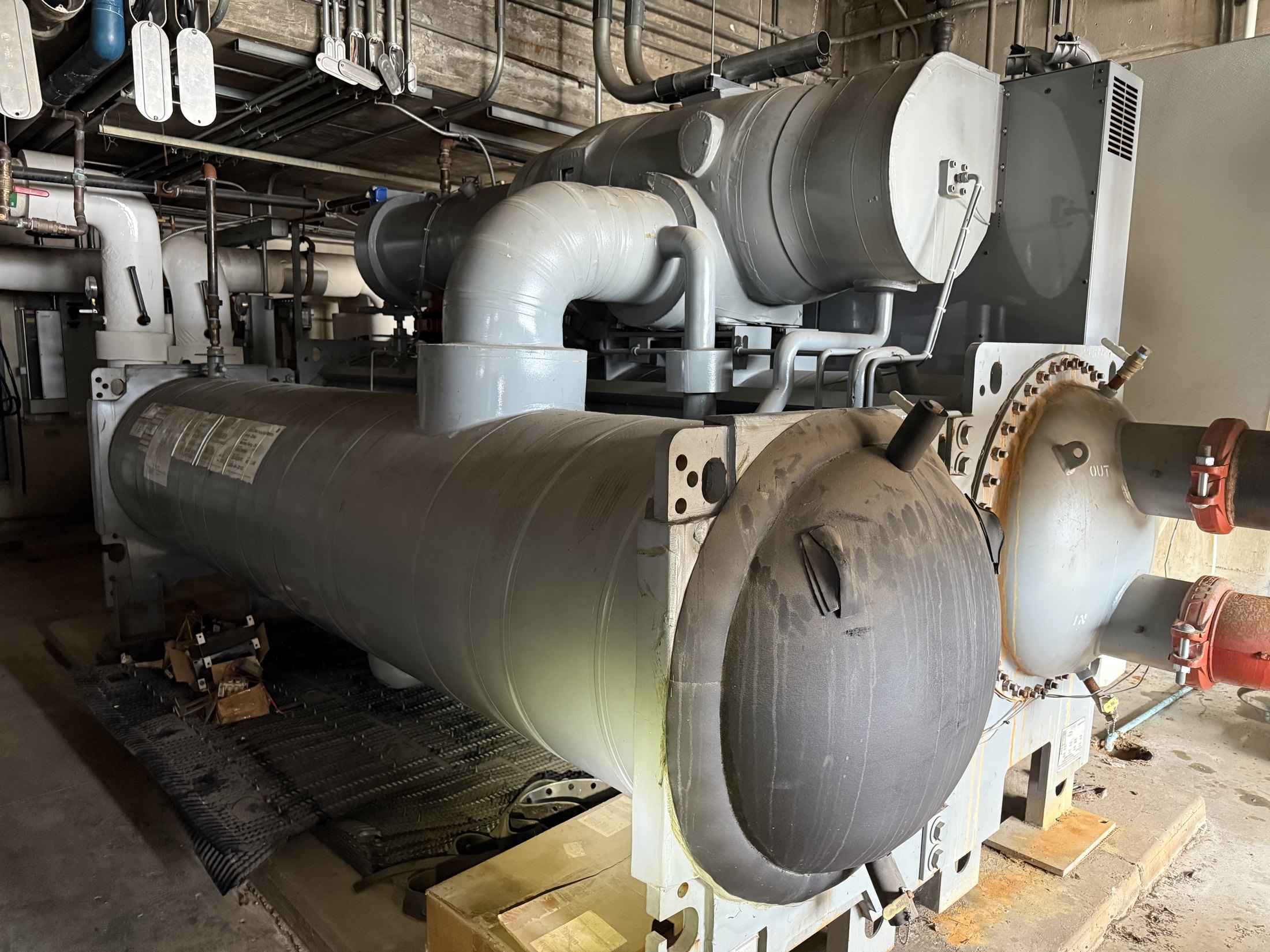
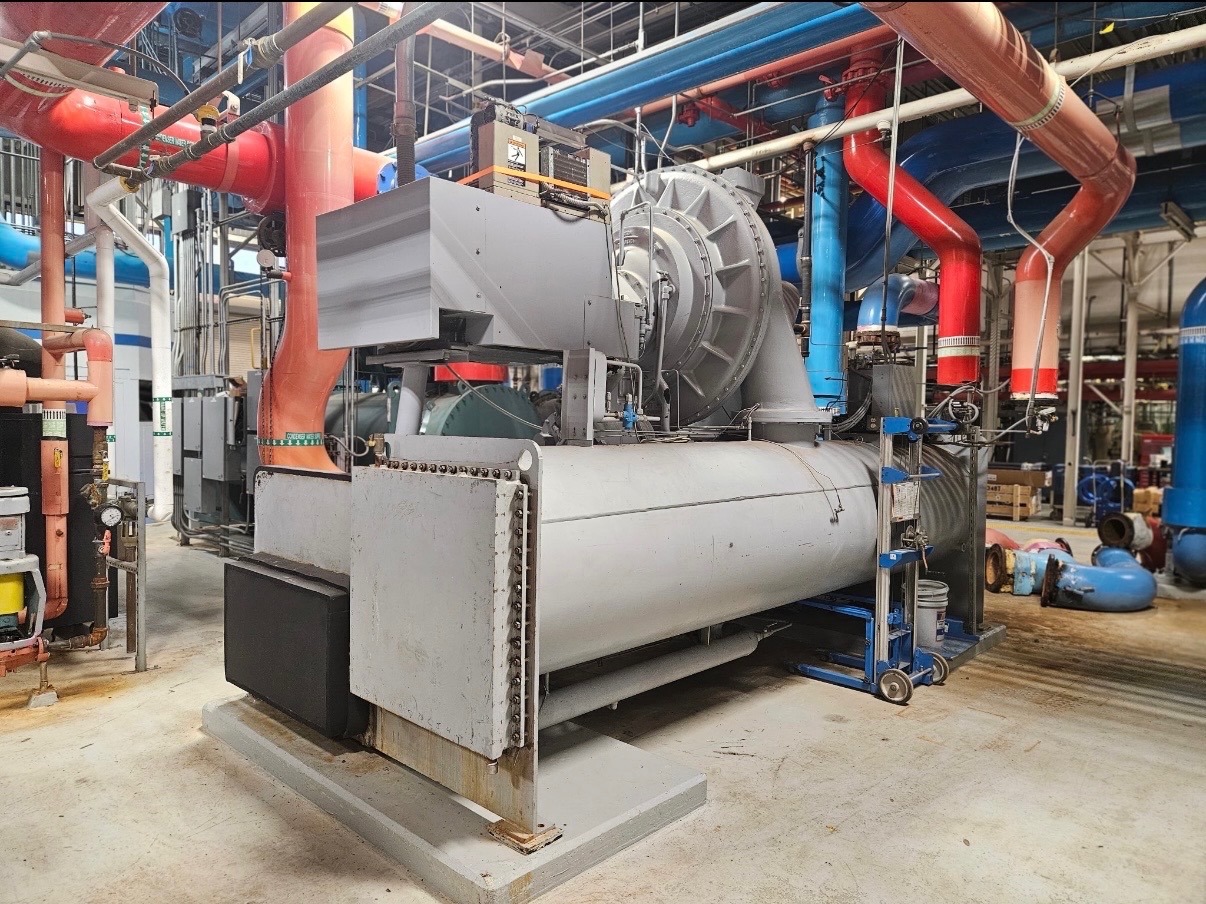
For an air-cooled chiller, describe the full machine and where it sits, including any visible surrounding obstructions. Its location might be at grade, on a roof or elsewhere; the cooling method alone does not establish the lift plan. Photographs and accessible documentation can help identify the equipment and clarify the boundary of the sale. Capacity is a useful identifier, not a shipping weight. Tell us whether the unit is still connected and whether any components have been removed, if known. We consider equipment without a test and arrange the agreed recovery, disconnect and handling work.
How the offer and removal fit together
A useful offer starts with the equipment being sold and the work needed to reach it. A clear photograph, an approximate location within the building and any available nameplate information can help us understand the opportunity. They are helpful starting points, not conditions for a conversation. If some details are unavailable, describe what you do know and point out the gaps. We can discuss a cash offer and the intended scope rather than asking you to guess at a machine's condition. Before any work is scheduled, the owner and buyer should agree which machine and accompanying items are included, the payment timing and how access will be arranged.
Measure the route as well as the machine
A chiller that fits in its present location may still be difficult to move through the route available for removal. Useful information includes the approximate length, width and height of the equipment, the size of nearby openings and any turns or obstacles between the machine and an appropriate loading area. Record uncertainty instead of presenting an estimate as an exact measurement. A photograph showing the machine in relation to doors, pipes or adjacent equipment can make the discussion more productive. The actual plan depends on the site and should be confirmed by the people responsible for rigging and removal.
Define responsibilities before the crew arrives
A clear project discussion identifies who is supplying access, who speaks for the owner and which removal tasks the buyer will handle. We handle crane and rigging, refrigerant recovery, disconnects, loading, freight and hauling as needed under the agreed scope. The facility contact can explain site-specific rules, operational constraints and the location of the equipment. If another contractor is involved, clarify the handoff between parties rather than leaving it implicit. Keep the commercial agreement and the site plan aligned so everyone knows which machine is being purchased and what is expected on the day of removal.
Establish who can authorize the sale
A building manager, contractor and equipment owner may be different people. Before accepting a proposal, identify the party that owns the machine and the person authorized to agree to its sale and removal. If the property is leased, under renovation or changing hands, the relevant documents or responsible parties may need to be checked. Having access to a mechanical room does not by itself establish ownership. The buyer should know who can approve the commercial terms and who can arrange access on removal day. Where ownership is uncertain, resolve it with the appropriate parties rather than guessing.
Refrigerant identification and recovery
All refrigerants can be considered; an owner does not need to identify the refrigerant before making contact. If information is available on a nameplate or in existing records, share it and specify which machine it refers to. Do not assume the original label necessarily describes the present contents. Refrigerant recovery is work for appropriately qualified professionals using a plan suited to the equipment and applicable requirements. We handle recovery as part of the agreed removal scope. Owners should not vent, release or attempt to recover refrigerant themselves merely to prepare a chiller for sale.
What to share when you contact us
Gather only information that is already safe and available: the machine location, visible identifying details, known condition and the facility contact. If something is uncertain, say so rather than guessing. We consider all tonnages and refrigerants and do not require testing. Our cash offer and upfront payment terms are discussed with the owner, together with the work needed for removal and the covered freight. Before scheduling, confirm which unit and any auxiliary items are included and how the crew will access the property.
- Identify the equipment and the person authorized to sell it.
- Share safe photographs or existing records if available; neither testing nor complete records are required.
- Discuss access, included work, payment and timing before scheduling removal.