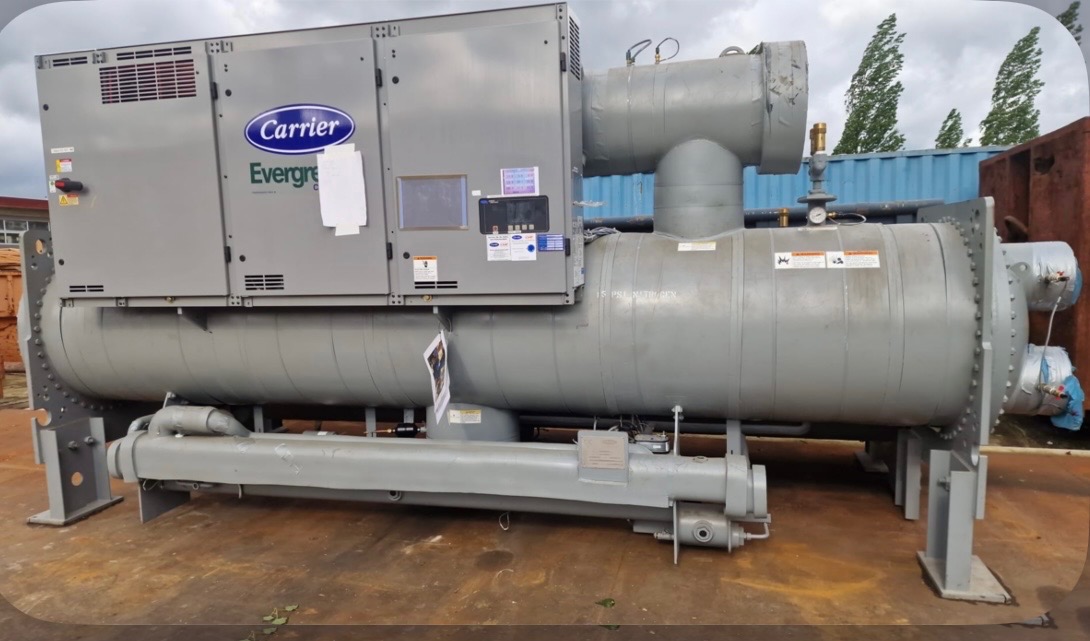
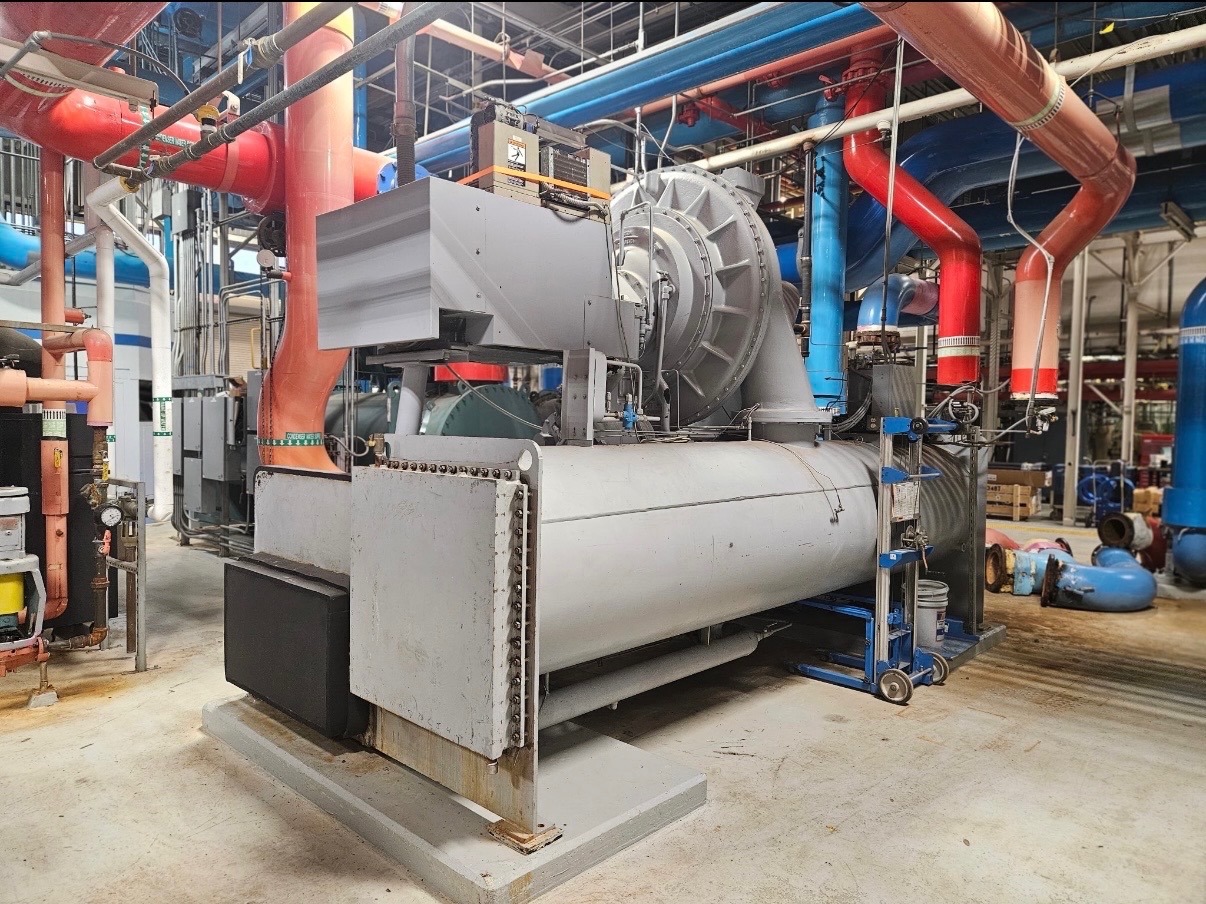
Start with the equipment and the project
An inquiry about a scroll chiller requiring rooftop removal in Florida can begin with a straightforward description rather than a complete technical file. Explain which chiller is no longer needed, where it sits and whether it remains connected, if known. We buy used and surplus chillers throughout Florida; all tonnages and refrigerants can be considered and testing is not required. The actual offer and handling plan depend on the machine and site. Identifying the owner and the boundaries of the proposed sale is as important as identifying a manufacturer or cooling capacity.
What to share about a scroll chiller
When a scroll chiller is no longer needed, describe the complete unit that the owner wishes to sell, not just a compressor or an assumed component count. A manufacturer label, photograph or existing equipment schedule may help identify it, but those records are not required to begin the conversation. Explain the known condition and whether the chiller remains connected. The cooling configuration and access route should be checked against the actual machine rather than inferred from the word scroll. We handle the agreed removal and covered freight, with no test run required to request consideration.
When the chiller is on a roof
A rooftop location introduces questions beyond the equipment's cooling capacity. The team may need to understand roof access, the available lift path, space for a crane or other handling equipment and a suitable place to set the unit down. These factors vary by building; a rooftop unit does not automatically imply a particular crane arrangement. Let the buyer know about visible obstructions and any site rules that affect access, without climbing or moving anything to collect information. We handle crane and rigging work as needed, with the method determined as part of the actual removal plan.
Identify equipment and connections that must remain
A chiller can sit beside pumps, controls, piping and other machinery that are not part of the sale. Some connections may serve more than one piece of equipment, so a visual boundary around the machine is not always the whole project boundary. Identify the intended unit and let the facility's knowledgeable contact explain what must stay in service. Do not label a shared component as surplus merely because it is nearby. The buyer and owner should agree whether any auxiliary items are included and how the necessary disconnects will be coordinated before work starts.
Establish who can authorize the sale
A building manager, contractor and equipment owner may be different people. Before accepting a proposal, identify the party that owns the machine and the person authorized to agree to its sale and removal. If the property is leased, under renovation or changing hands, the relevant documents or responsible parties may need to be checked. Having access to a mechanical room does not by itself establish ownership. The buyer should know who can approve the commercial terms and who can arrange access on removal day. Where ownership is uncertain, resolve it with the appropriate parties rather than guessing.
No test run is required
The equipment does not need to be started or tested for us to consider it. That can matter when a chiller is idle, disconnected, missing a component or no longer part of the active cooling plan. Describe the known condition honestly and distinguish what you have observed from information you do not have. A photograph or old service note may be useful, but neither is a prerequisite for making contact. Do not reconnect equipment or attempt a test simply to request an offer. The buyer can review available information and discuss any uncertainties as part of the proposed sale.
Refrigerant identification and recovery
All refrigerants can be considered; an owner does not need to identify the refrigerant before making contact. If information is available on a nameplate or in existing records, share it and specify which machine it refers to. Do not assume the original label necessarily describes the present contents. Refrigerant recovery is work for appropriately qualified professionals using a plan suited to the equipment and applicable requirements. We handle recovery as part of the agreed removal scope. Owners should not vent, release or attempt to recover refrigerant themselves merely to prepare a chiller for sale.
What to share when you contact us
If the chiller may be available, contact us with a description and the location in Florida. Existing labels, photos and records can help, but they are not prerequisites and the unit does not need to be tested. Explain whether anything must remain connected or operating around it and who has authority to approve the sale. We can discuss the cash offer, upfront payment and the appropriate recovery, disconnect, rigging and freight arrangements. The owner can decide whether the agreed scope suits the project.
- Identify the equipment and the person authorized to sell it.
- Share safe photographs or existing records if available; neither testing nor complete records are required.
- Discuss access, included work, payment and timing before scheduling removal.