Start with the equipment and the project
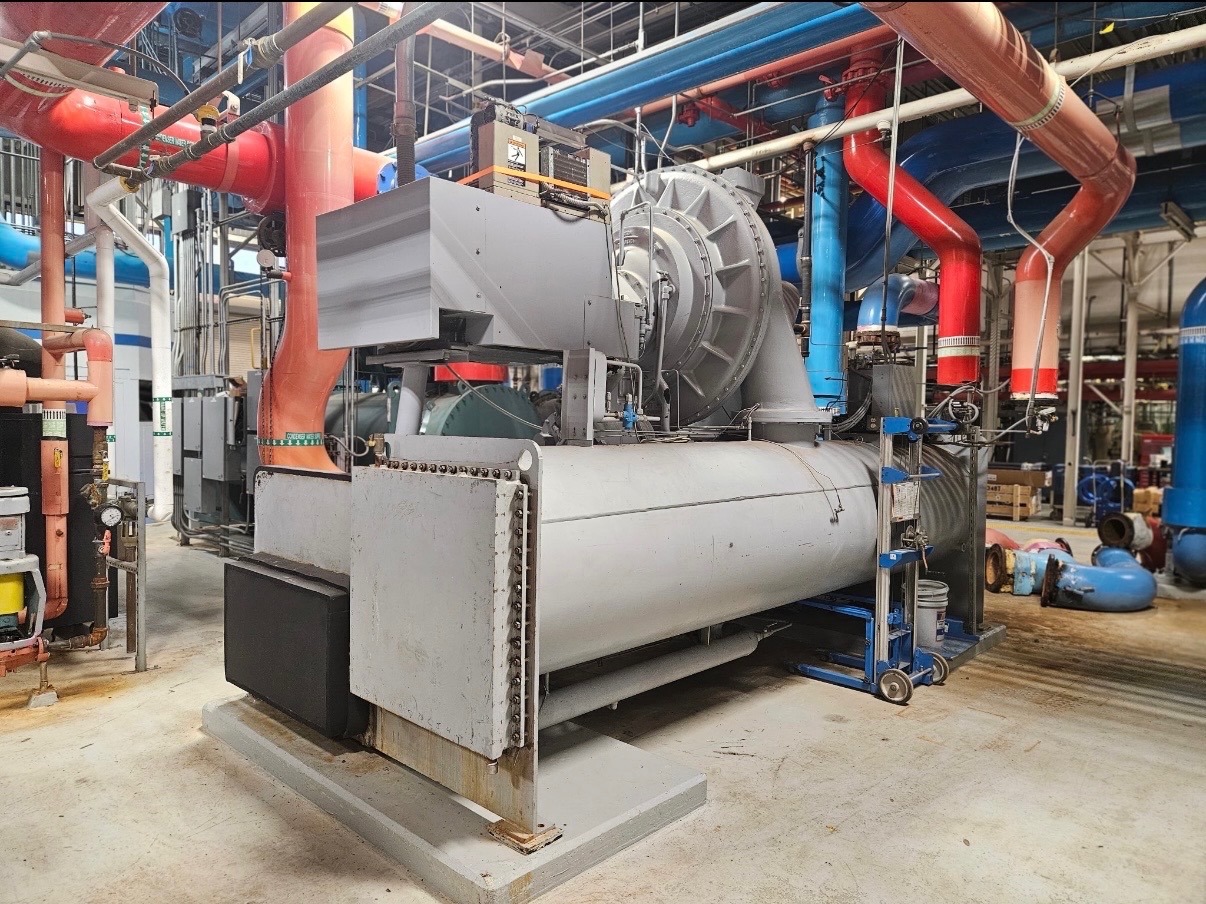
An inquiry about used chillers in Columbia County, Florida can begin with a straightforward description rather than a complete technical file. Explain which chiller is no longer needed, where it sits and whether it remains connected, if known. We buy used and surplus chillers throughout Florida; all tonnages and refrigerants can be considered and testing is not required. The actual offer and handling plan depend on the machine and site. Identifying the owner and the boundaries of the proposed sale is as important as identifying a manufacturer or cooling capacity.
Service planning starts with the actual property
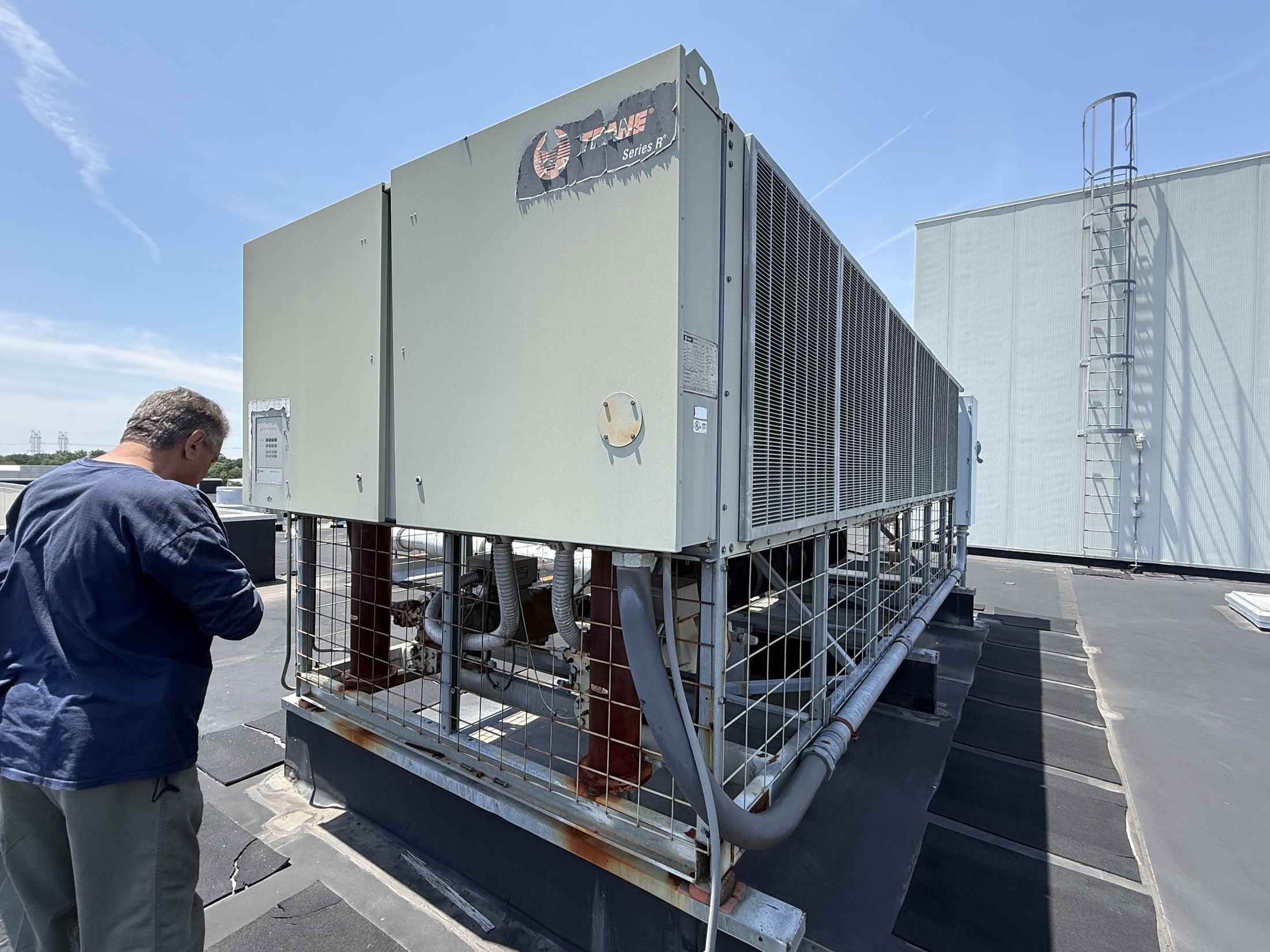
The city or county tells us where a project is being considered, but it does not reveal where a particular machine is located within a property or how it can be removed. Tell us whether the unit is indoors, outside or on a roof, and share any access limits known to the facility team. Avoid assuming that a nearby buyer must have a local office or that every site has the same loading arrangements. We buy used chillers throughout Florida and coordinate the agreed work. The practical plan depends on the equipment, ownership, access and site schedule.
How the offer and removal fit together
A useful offer starts with the equipment being sold and the work needed to reach it. A clear photograph, an approximate location within the building and any available nameplate information can help us understand the opportunity. They are helpful starting points, not conditions for a conversation. If some details are unavailable, describe what you do know and point out the gaps. We can discuss a cash offer and the intended scope rather than asking you to guess at a machine's condition. Before any work is scheduled, the owner and buyer should agree which machine and accompanying items are included, the payment timing and how access will be arranged.
Plan lifting and rigging around actual conditions
Rigging is a planning question, not a standard procedure that can be selected from the equipment name alone. The team must understand the load, available attachment information, clearances and the route to a loading area. If a crane is appropriate, its placement and the lift path must be evaluated against the actual property conditions. Other handling methods may be appropriate in different circumstances. We handle the crane and rigging work needed for the agreed project. Owners should not improvise a lift, move a heavy unit or rely on a cooling-capacity number as an estimate of weight.
An idle machine can still be considered
Equipment may have been shut down because a facility changed its cooling arrangement, a replacement project began or the machine was no longer needed. Do not assume the reason for shutdown if it is not known. Share whether the unit appears intact, whether it remains connected and how long it has been idle if that information is available. A machine can be considered without being restarted or tested. These distinctions help the buyer understand the project, while the offer and the removal method remain subject to the actual equipment and an agreement with its owner.
Loading, freight and hauling are covered
We handle loading, freight and hauling for the agreed purchase, and all freight is covered. That does not eliminate the need to understand how a machine gets from its present location to the loading point. Tell us whether there is an available staging area, what access a vehicle may have and whether the equipment is still inside or on a roof. If the property has delivery or pickup rules, the facility contact can explain them before scheduling. The buyer and owner should confirm what is included in the removal scope, including any auxiliary items that are intended to travel with the chiller.
Refrigerant identification and recovery
All refrigerants can be considered; an owner does not need to identify the refrigerant before making contact. If information is available on a nameplate or in existing records, share it and specify which machine it refers to. Do not assume the original label necessarily describes the present contents. Refrigerant recovery is work for appropriately qualified professionals using a plan suited to the equipment and applicable requirements. We handle recovery as part of the agreed removal scope. Owners should not vent, release or attempt to recover refrigerant themselves merely to prepare a chiller for sale.
What to share when you contact us
To begin, identify the equipment and the person who can approve its sale. Share any safe photographs or existing records, but do not worry if the nameplate or operating history is unavailable. Explain whether the unit is indoors, outdoors or on a roof, and identify any known access constraints. We can consider the chiller without a test and discuss an upfront cash offer and the agreed removal work, including covered freight. Confirm the scope, payment timing and site contacts before scheduling the work.
- Identify the equipment and the person authorized to sell it.
- Share safe photographs or existing records if available; neither testing nor complete records are required.
- Discuss access, included work, payment and timing before scheduling removal.