Start with the equipment and the project
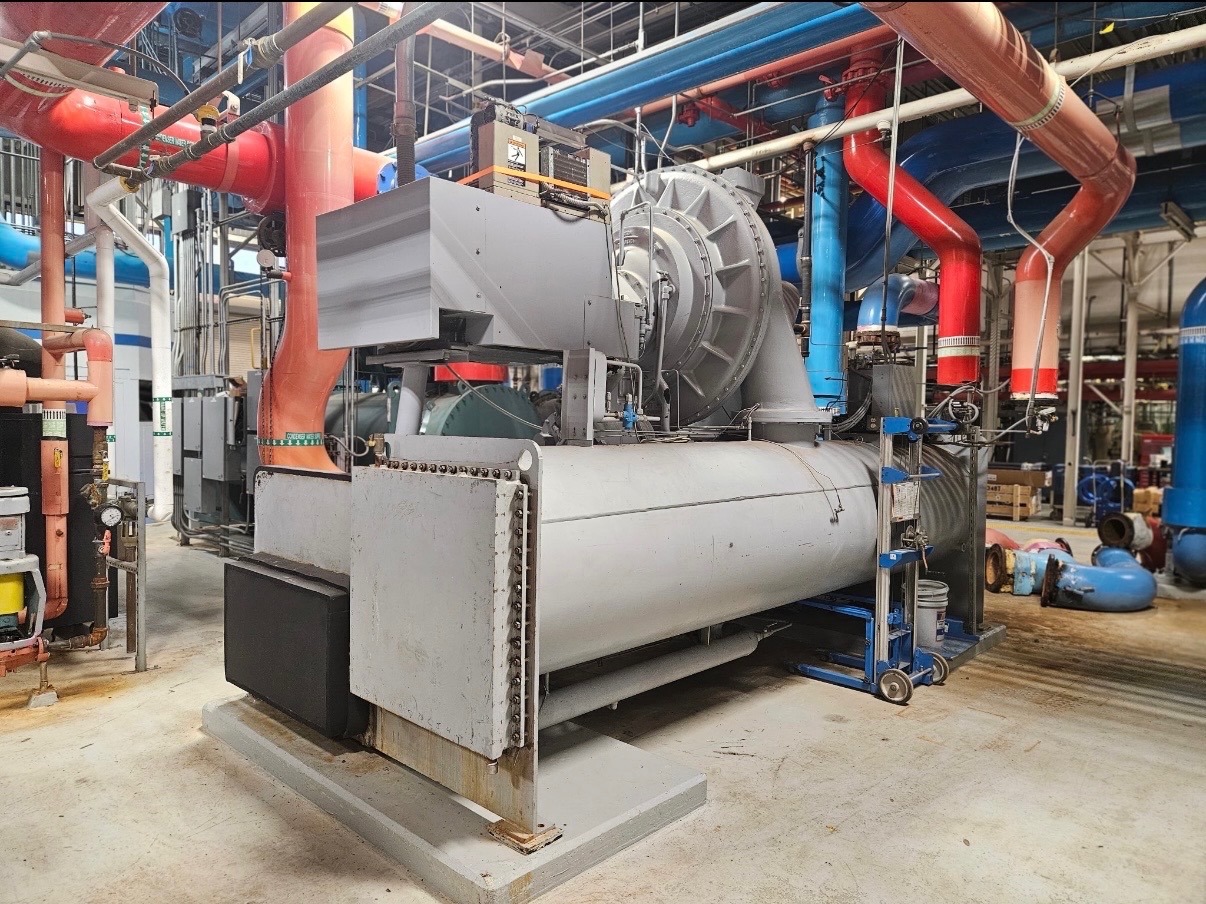
The subject is used chillers in Gadsden County, Florida. A chiller can be surplus even when the people managing the property have incomplete records about it. Rather than guessing, explain what is known, what is uncertain and who can authorize the transaction. We buy used commercial chillers in Florida and consider every tonnage and refrigerant. There is no requirement to operate or test a machine before requesting consideration. The details that follow show how equipment identification, site access and the agreed work scope help turn a preliminary inquiry into a clear discussion.
Service planning starts with the actual property
The city or county tells us where a project is being considered, but it does not reveal where a particular machine is located within a property or how it can be removed. Tell us whether the unit is indoors, outside or on a roof, and share any access limits known to the facility team. Avoid assuming that a nearby buyer must have a local office or that every site has the same loading arrangements. We buy used chillers throughout Florida and coordinate the agreed work. The practical plan depends on the equipment, ownership, access and site schedule.
How the offer and removal fit together
A useful offer starts with the equipment being sold and the work needed to reach it. A clear photograph, an approximate location within the building and any available nameplate information can help us understand the opportunity. They are helpful starting points, not conditions for a conversation. If some details are unavailable, describe what you do know and point out the gaps. We can discuss a cash offer and the intended scope rather than asking you to guess at a machine's condition. Before any work is scheduled, the owner and buyer should agree which machine and accompanying items are included, the payment timing and how access will be arranged.
Refrigerant identification and recovery
All refrigerants can be considered; an owner does not need to identify the refrigerant before making contact. If information is available on a nameplate or in existing records, share it and specify which machine it refers to. Do not assume the original label necessarily describes the present contents. Refrigerant recovery is work for appropriately qualified professionals using a plan suited to the equipment and applicable requirements. We handle recovery as part of the agreed removal scope. Owners should not vent, release or attempt to recover refrigerant themselves merely to prepare a chiller for sale.
Identify equipment and connections that must remain
A chiller can sit beside pumps, controls, piping and other machinery that are not part of the sale. Some connections may serve more than one piece of equipment, so a visual boundary around the machine is not always the whole project boundary. Identify the intended unit and let the facility's knowledgeable contact explain what must stay in service. Do not label a shared component as surplus merely because it is nearby. The buyer and owner should agree whether any auxiliary items are included and how the necessary disconnects will be coordinated before work starts.
Define responsibilities before the crew arrives
A clear project discussion identifies who is supplying access, who speaks for the owner and which removal tasks the buyer will handle. We handle crane and rigging, refrigerant recovery, disconnects, loading, freight and hauling as needed under the agreed scope. The facility contact can explain site-specific rules, operational constraints and the location of the equipment. If another contractor is involved, clarify the handoff between parties rather than leaving it implicit. Keep the commercial agreement and the site plan aligned so everyone knows which machine is being purchased and what is expected on the day of removal.
Keep preliminary information gathering safe
Information for an offer should be collected from areas the facility has already made safe and accessible. A visual description, a photograph taken from a permitted position or an existing record may be enough to begin. Do not remove panels, work on electrical equipment, disconnect piping or attempt to handle refrigerant to prepare for a buyer. A unit that is silent may still have connected systems or stored energy. We handle the agreed recovery and disconnect work through appropriate qualified personnel. Site-specific hazards and access rules should be discussed with the responsible facility contact.
What to share when you contact us
Tell us what you know about the chiller and what you do not. The location, approximate capacity, manufacturer, condition and surrounding access are useful when available, but missing information does not require a test run. The owner or authorized representative can review the cash offer and upfront payment terms alongside the proposed removal plan. We handle the agreed recovery, disconnects, crane and rigging as needed, and the loading and freight. Freight is covered. Clarify what is included before agreeing to a schedule.
- Identify the equipment and the person authorized to sell it.
- Share safe photographs or existing records if available; neither testing nor complete records are required.
- Discuss access, included work, payment and timing before scheduling removal.