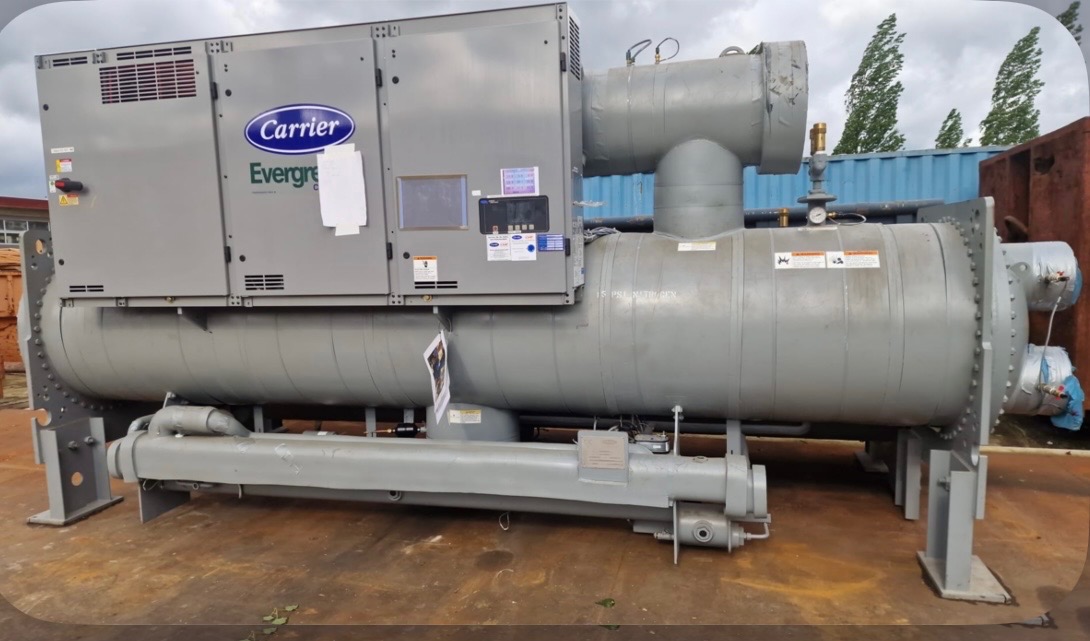
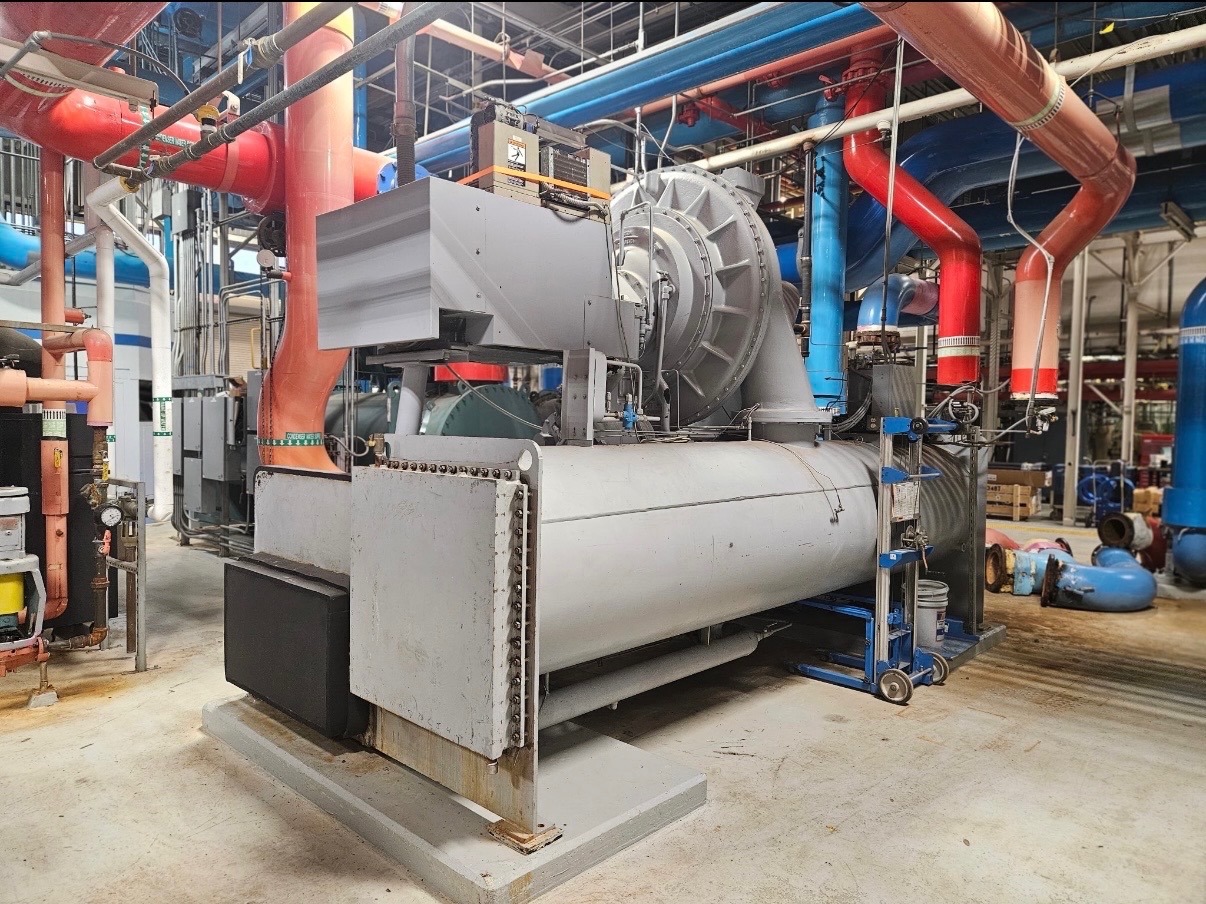
Start with the equipment and the project
The subject is a surplus chiller in Jacksonville, Florida. A chiller can be surplus even when the people managing the property have incomplete records about it. Rather than guessing, explain what is known, what is uncertain and who can authorize the transaction. We buy used commercial chillers in Florida and consider every tonnage and refrigerant. There is no requirement to operate or test a machine before requesting consideration. The details that follow show how equipment identification, site access and the agreed work scope help turn a preliminary inquiry into a clear discussion.
Service planning starts with the actual property
The city or county tells us where a project is being considered, but it does not reveal where a particular machine is located within a property or how it can be removed. Tell us whether the unit is indoors, outside or on a roof, and share any access limits known to the facility team. Avoid assuming that a nearby buyer must have a local office or that every site has the same loading arrangements. We buy used chillers throughout Florida and coordinate the agreed work. The practical plan depends on the equipment, ownership, access and site schedule.
Cash offers and payment before removal
We make cash offers and provide payment upfront on the agreed terms. Ask how the proposed payment, equipment description and work scope relate to one another before accepting an offer. For example, an offer for one disconnected machine is not necessarily the same as a proposal involving several machines still tied into a shared system. Clarifying that distinction avoids treating an informal estimate as a finished agreement. There is no promise of a particular price: capacity, identifiable equipment, condition and access are among the details that may affect the proposed transaction. Confirm who can approve the agreement for the owner.
Plan lifting and rigging around actual conditions
Rigging is a planning question, not a standard procedure that can be selected from the equipment name alone. The team must understand the load, available attachment information, clearances and the route to a loading area. If a crane is appropriate, its placement and the lift path must be evaluated against the actual property conditions. Other handling methods may be appropriate in different circumstances. We handle the crane and rigging work needed for the agreed project. Owners should not improvise a lift, move a heavy unit or rely on a cooling-capacity number as an estimate of weight.
Establish who can authorize the sale
A building manager, contractor and equipment owner may be different people. Before accepting a proposal, identify the party that owns the machine and the person authorized to agree to its sale and removal. If the property is leased, under renovation or changing hands, the relevant documents or responsible parties may need to be checked. Having access to a mechanical room does not by itself establish ownership. The buyer should know who can approve the commercial terms and who can arrange access on removal day. Where ownership is uncertain, resolve it with the appropriate parties rather than guessing.
Questions worth resolving before acceptance
Ask which specific chiller the offer covers, how payment will be made upfront and what removal tasks are included. Explain the machine's present location and whether anything is known about its connections, access or missing parts. If records conflict or the nameplate cannot be read, say so. Confirm who has authority to sell and who will provide site access. If several contractors are involved, identify the person who will coordinate their schedules. These questions make the next conversation more productive without requiring the owner to diagnose the machine or arrange a test run.
Keep preliminary information gathering safe
Information for an offer should be collected from areas the facility has already made safe and accessible. A visual description, a photograph taken from a permitted position or an existing record may be enough to begin. Do not remove panels, work on electrical equipment, disconnect piping or attempt to handle refrigerant to prepare for a buyer. A unit that is silent may still have connected systems or stored energy. We handle the agreed recovery and disconnect work through appropriate qualified personnel. Site-specific hazards and access rules should be discussed with the responsible facility contact.
What to share when you contact us
Start with the city or county, the number of chillers and any available manufacturer, model, capacity or condition information. Describe where the equipment sits and whether it is still connected, if known. Mention access restrictions, the desired timing and anything you are uncertain about rather than filling in missing details. We can discuss a cash offer, upfront payment and an agreed plan for recovery, disconnects, rigging, loading and covered freight. An owner or authorized representative can then decide whether the proposed terms and scope fit the project.
- Identify the equipment and the person authorized to sell it.
- Share safe photographs or existing records if available; neither testing nor complete records are required.
- Discuss access, included work, payment and timing before scheduling removal.