Start with the equipment and the project
Planning for used chillers in Nassau County, Florida starts by separating two questions: what is being sold, and how can it be removed safely? The answers depend on the actual machine and property, not on a standard assumption about every chiller. We buy used and surplus equipment in Florida, consider all tonnages and refrigerants, and do not require a test run. An owner can share any existing details about the unit, its connections and its location without diagnosing it. Early coordination makes the offer and removal conversation easier to understand.
Service planning starts with the actual property
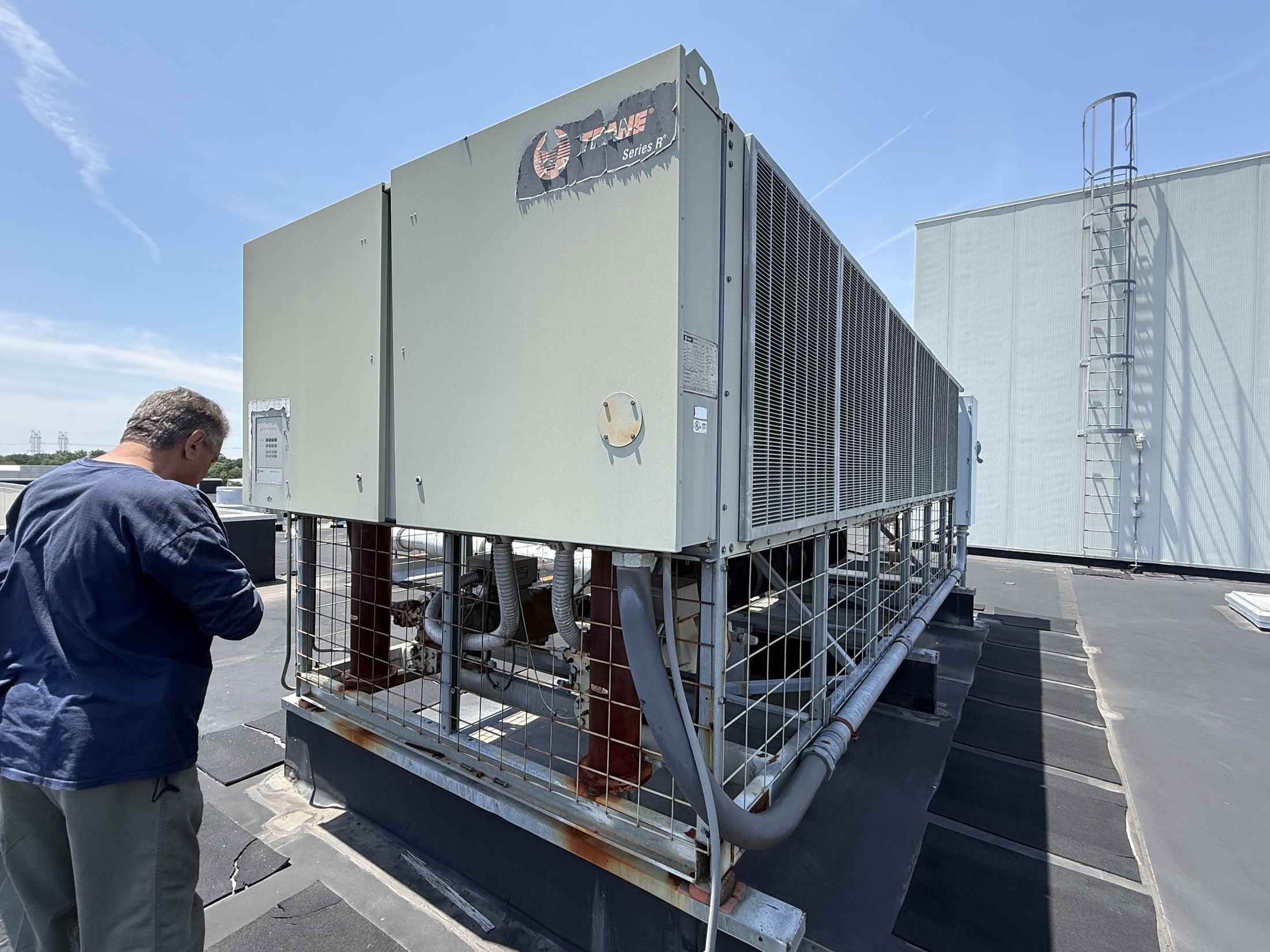
The city or county tells us where a project is being considered, but it does not reveal where a particular machine is located within a property or how it can be removed. Tell us whether the unit is indoors, outside or on a roof, and share any access limits known to the facility team. Avoid assuming that a nearby buyer must have a local office or that every site has the same loading arrangements. We buy used chillers throughout Florida and coordinate the agreed work. The practical plan depends on the equipment, ownership, access and site schedule.
No test run is required
The equipment does not need to be started or tested for us to consider it. That can matter when a chiller is idle, disconnected, missing a component or no longer part of the active cooling plan. Describe the known condition honestly and distinguish what you have observed from information you do not have. A photograph or old service note may be useful, but neither is a prerequisite for making contact. Do not reconnect equipment or attempt a test simply to request an offer. The buyer can review available information and discuss any uncertainties as part of the proposed sale.
Decide whether auxiliary items are part of the sale
Not every item next to a chiller automatically belongs in the transaction. Pumps, controls, pipework and other accessories may serve a wider system or may be retained for another project. Tell us which machine you intend to sell and whether any additional components are actually included. When in doubt, identify an item as uncertain rather than promising it to the buyer. The equipment owner and facility team can review the proposed boundary before the offer and removal scope are finalized. This reduces confusion over what is to be disconnected, loaded and hauled away.
Plan the handoff to freight
The final loading point matters even when freight is covered. A removal team needs to understand whether the unit can be staged near a truck, whether the access route has restrictions and who will coordinate entry to the property. A rooftop or indoor machine may need additional handling before it reaches that point. Describe what you know and flag anything that still needs review. We handle the loading, freight and hauling included in the agreed purchase; the site-specific method depends on the machine and property. Confirm any required handoff with the facility contact before the scheduled work.
Separate electrical and mechanical disconnect planning
A chiller may have electrical, control, refrigerant and fluid connections, each of which should be considered in the removal scope. The fact that a machine is not running does not establish that every connection is isolated. Tell the buyer whether the equipment remains connected and identify the facility contact who understands the surrounding system. We handle necessary disconnects as agreed, using appropriately qualified personnel. The owner should not cut, open or energize connections for the purpose of requesting an offer. The people responsible for the site can coordinate the work so equipment outside the sale is clearly distinguished.
Describe the access path early
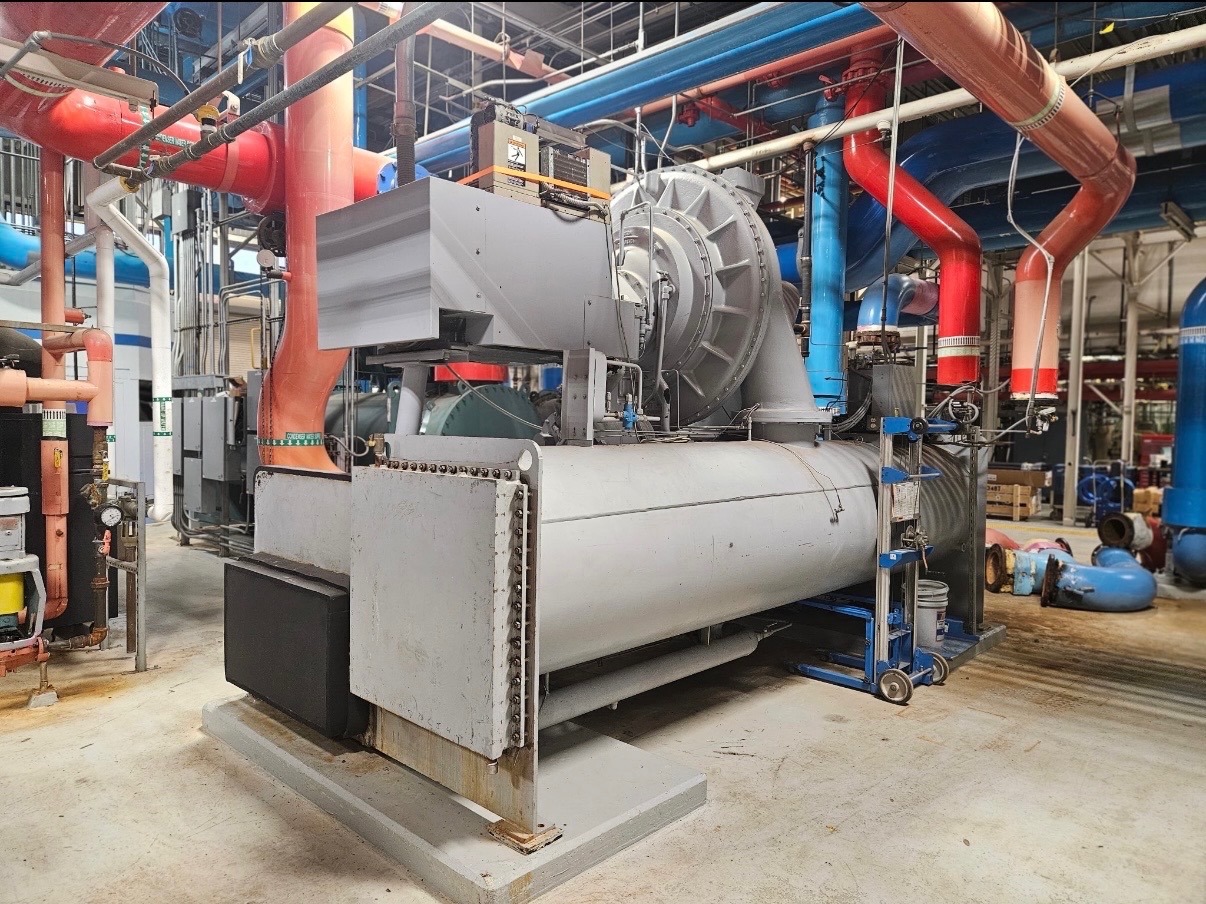
Access planning begins where the equipment sits and continues to the place where it can be loaded. Explain whether the chiller is on a roof, at ground level or inside a building, and identify any known restrictions such as narrow doors, active work areas or limited staging space. These are questions to resolve, not assumptions about any particular property. The removal team can use the information to plan rigging and loading appropriate to the job. The facility contact should also explain how personnel enter the site and whether another trade is expected to be working along the same route.
What to share when you contact us
Gather only information that is already safe and available: the machine location, visible identifying details, known condition and the facility contact. If something is uncertain, say so rather than guessing. We consider all tonnages and refrigerants and do not require testing. Our cash offer and upfront payment terms are discussed with the owner, together with the work needed for removal and the covered freight. Before scheduling, confirm which unit and any auxiliary items are included and how the crew will access the property.
- Identify the equipment and the person authorized to sell it.
- Share safe photographs or existing records if available; neither testing nor complete records are required.
- Discuss access, included work, payment and timing before scheduling removal.