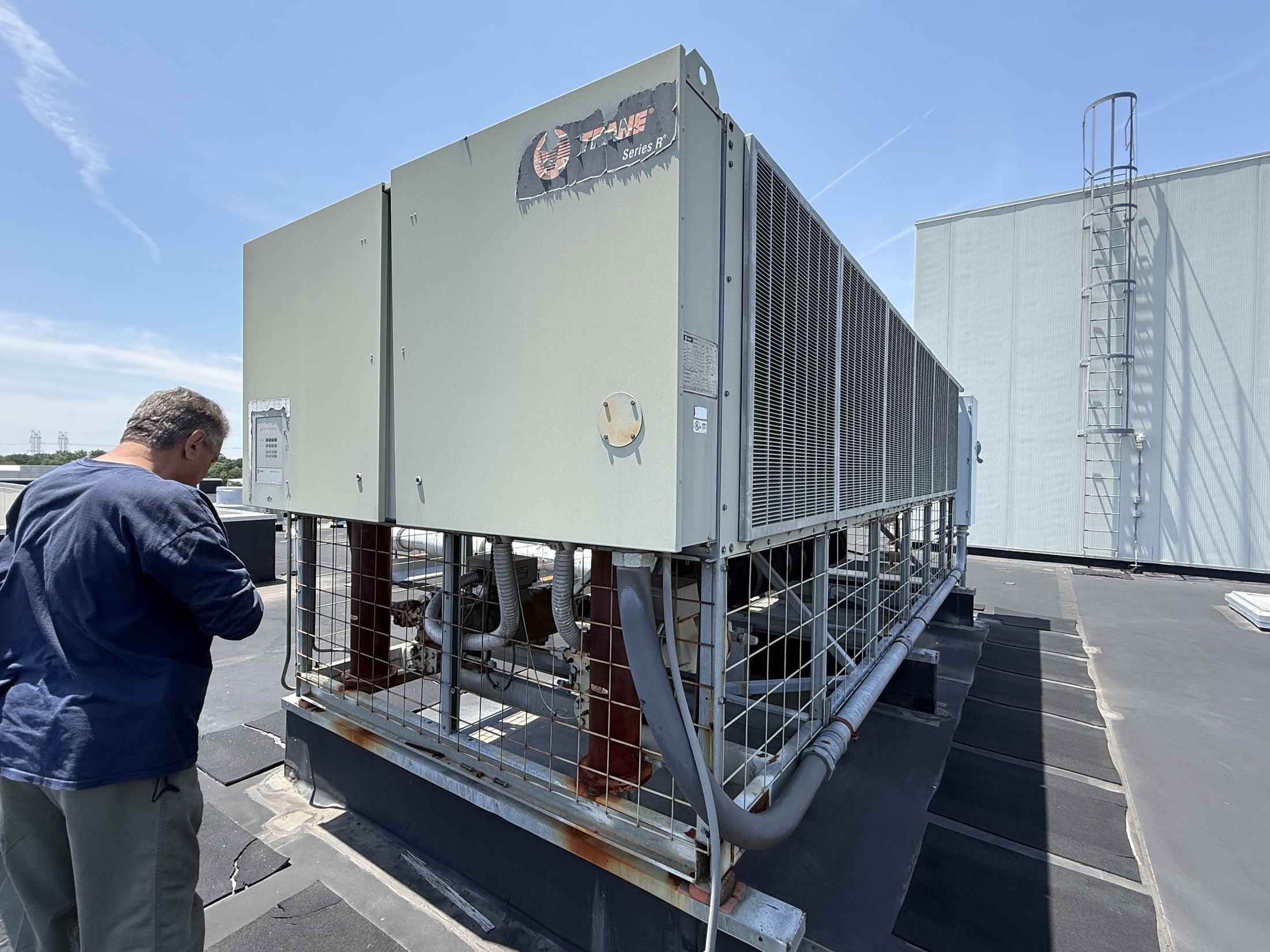
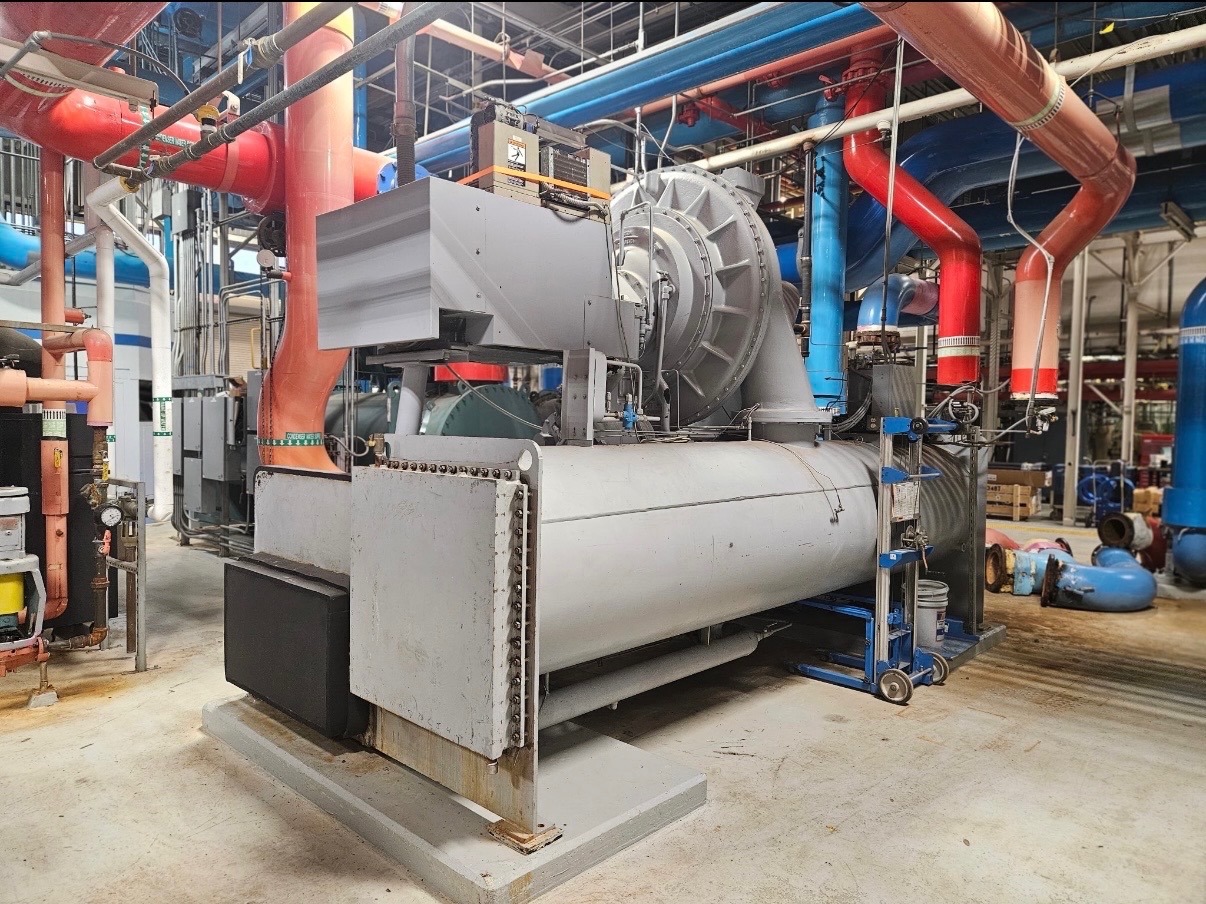
Start with the equipment and the project
This guide addresses a used McQuay chiller in Orlando, Florida. Selling a machine involves more than stating its cooling capacity: the owner must identify what is included and consider how the buyer can reach it. We buy used and surplus commercial chillers throughout Florida, and all tonnages and refrigerants can be considered. A test run is not required. Even when a nameplate or service history is unavailable, an owner or authorized representative can begin a conversation by describing the equipment, its known condition and its location. The commercial agreement and the physical removal plan should be considered together.
Service planning starts with the actual property
The city or county tells us where a project is being considered, but it does not reveal where a particular machine is located within a property or how it can be removed. Tell us whether the unit is indoors, outside or on a roof, and share any access limits known to the facility team. Avoid assuming that a nearby buyer must have a local office or that every site has the same loading arrangements. We buy used chillers throughout Florida and coordinate the agreed work. The practical plan depends on the equipment, ownership, access and site schedule.
Identify the actual machine, not just the brand
The manufacturer name is a useful starting point, but it does not by itself identify a chiller's model, capacity, refrigerant, weight or present condition. If an accessible nameplate or equipment record is available, share its details along with a safe photograph of the full unit. If the model cannot be read, describe the machine and its surroundings instead; the absence of a label does not prevent an initial discussion. We are a buyer of used equipment, not a claim of manufacturer authorization or affiliation. The offer and removal approach depend on the actual unit and agreed scope.
Refrigerant identification and recovery
All refrigerants can be considered; an owner does not need to identify the refrigerant before making contact. If information is available on a nameplate or in existing records, share it and specify which machine it refers to. Do not assume the original label necessarily describes the present contents. Refrigerant recovery is work for appropriately qualified professionals using a plan suited to the equipment and applicable requirements. We handle recovery as part of the agreed removal scope. Owners should not vent, release or attempt to recover refrigerant themselves merely to prepare a chiller for sale.
Coordinate the work with the facility schedule
A sale may be part of a replacement project, a renovation or the retirement of equipment that has already been idle. Explain the desired timing and whether other work depends on the machine being removed. An occupied facility may need to coordinate access, escorts, temporary staging or a shutdown with its own operations. These needs vary, so raise them early rather than assuming a standard pickup window. The owner and buyer can discuss a schedule after the equipment and access are understood. A timing discussion is not a guarantee that every site can be handled on a particular date.
No test run is required
The equipment does not need to be started or tested for us to consider it. That can matter when a chiller is idle, disconnected, missing a component or no longer part of the active cooling plan. Describe the known condition honestly and distinguish what you have observed from information you do not have. A photograph or old service note may be useful, but neither is a prerequisite for making contact. Do not reconnect equipment or attempt a test simply to request an offer. The buyer can review available information and discuss any uncertainties as part of the proposed sale.
Use the nameplate without relying on it exclusively
If it is safe and accessible, a photograph of the equipment nameplate can help identify the manufacturer, model, serial number and rated capacity. Do not remove covers or approach energized equipment simply to take a picture. If a plate is faded, blocked or missing, say so and share whatever identifying information is already available. A broad photograph of the whole machine and its surroundings can provide additional context. Old records can also be useful, but a service history is not required. Each label should be matched to the correct unit when several similar machines are present.
What to share when you contact us
To begin, identify the equipment and the person who can approve its sale. Share any safe photographs or existing records, but do not worry if the nameplate or operating history is unavailable. Explain whether the unit is indoors, outdoors or on a roof, and identify any known access constraints. We can consider the chiller without a test and discuss an upfront cash offer and the agreed removal work, including covered freight. Confirm the scope, payment timing and site contacts before scheduling the work.
- Identify the equipment and the person authorized to sell it.
- Share safe photographs or existing records if available; neither testing nor complete records are required.
- Discuss access, included work, payment and timing before scheduling removal.