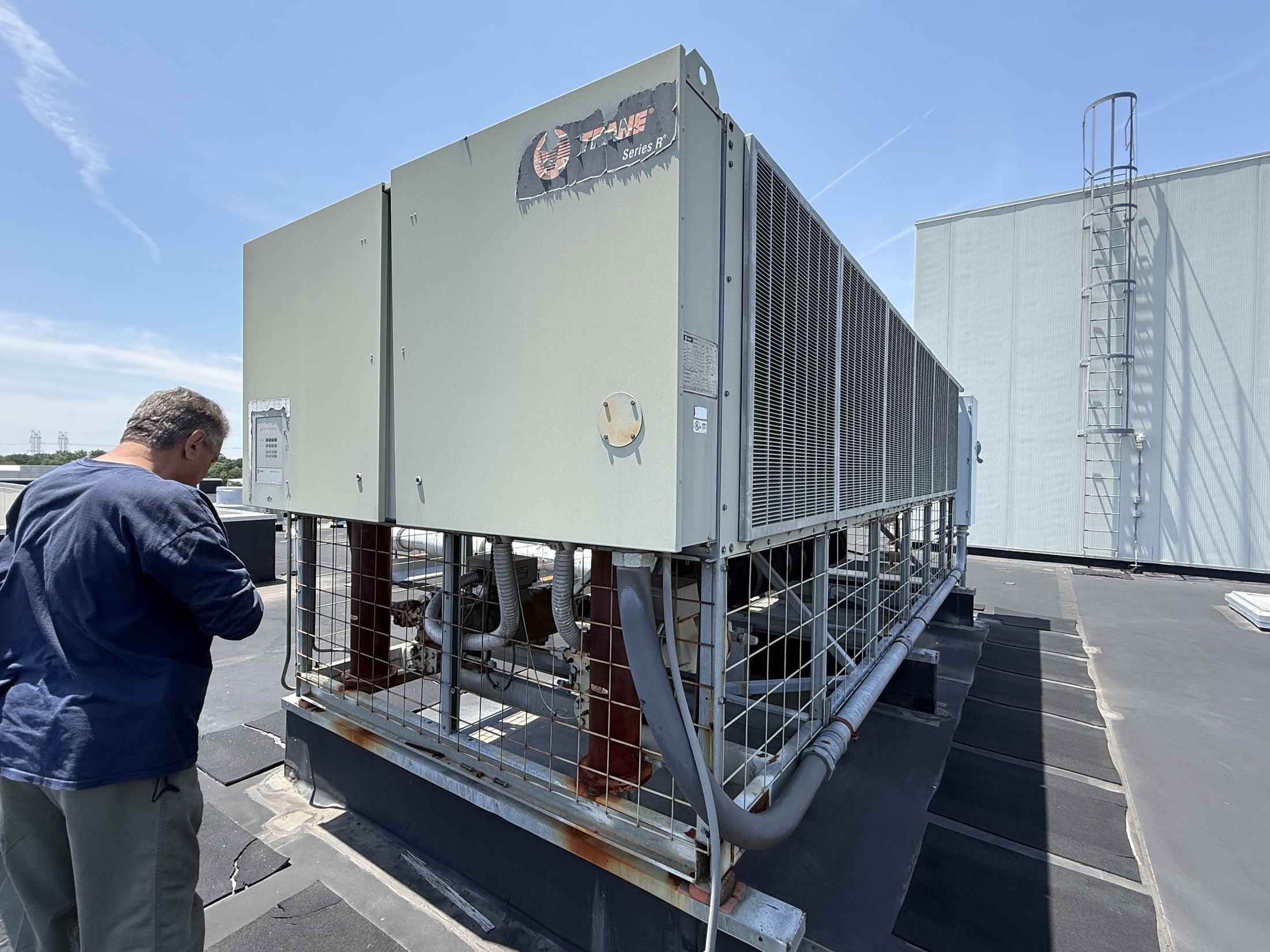
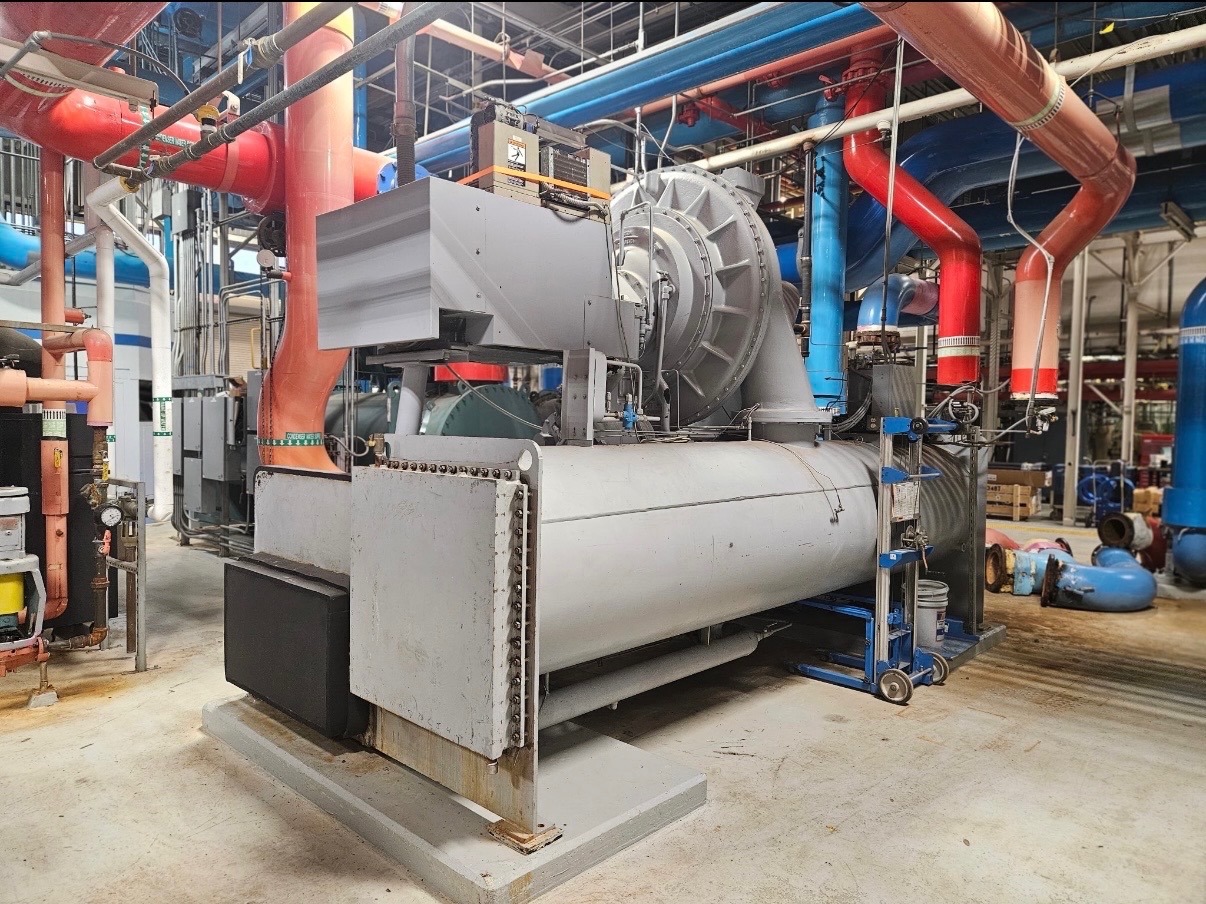
Start with the equipment and the project
For anyone researching a used Smardt chiller in West Palm Beach, Florida, the practical starting point is the equipment owner and the unit that owner wishes to sell. A model number can help, but missing records do not need to prevent an initial inquiry. We buy used and surplus chillers across Florida and consider all tonnages and refrigerants; no testing is required. The buyer also needs to understand the likely access route, any known connections and which equipment remains outside the sale. Those details support an agreed scope rather than a guess about the project.
Service planning starts with the actual property
The city or county tells us where a project is being considered, but it does not reveal where a particular machine is located within a property or how it can be removed. Tell us whether the unit is indoors, outside or on a roof, and share any access limits known to the facility team. Avoid assuming that a nearby buyer must have a local office or that every site has the same loading arrangements. We buy used chillers throughout Florida and coordinate the agreed work. The practical plan depends on the equipment, ownership, access and site schedule.
Identify the actual machine, not just the brand
The manufacturer name is a useful starting point, but it does not by itself identify a chiller's model, capacity, refrigerant, weight or present condition. If an accessible nameplate or equipment record is available, share its details along with a safe photograph of the full unit. If the model cannot be read, describe the machine and its surroundings instead; the absence of a label does not prevent an initial discussion. We are a buyer of used equipment, not a claim of manufacturer authorization or affiliation. The offer and removal approach depend on the actual unit and agreed scope.
Cooling capacity is not shipping weight
Chiller capacity is commonly described in tons of cooling. That number is useful for identifying the equipment, but it is not the machine's physical weight and cannot be used on its own to select a crane or transport vehicle. A nameplate, equipment documentation or an existing record may show the capacity; if not, share an approximation and explain its source. For removal, the team also needs reliable dimensions, weight information when available and a clear understanding of the lift path. All tonnages can be considered. Never assume that two machines with similar cooling ratings have identical handling requirements.
Separate electrical and mechanical disconnect planning
A chiller may have electrical, control, refrigerant and fluid connections, each of which should be considered in the removal scope. The fact that a machine is not running does not establish that every connection is isolated. Tell the buyer whether the equipment remains connected and identify the facility contact who understands the surrounding system. We handle necessary disconnects as agreed, using appropriately qualified personnel. The owner should not cut, open or energize connections for the purpose of requesting an offer. The people responsible for the site can coordinate the work so equipment outside the sale is clearly distinguished.
Establish who can authorize the sale
A building manager, contractor and equipment owner may be different people. Before accepting a proposal, identify the party that owns the machine and the person authorized to agree to its sale and removal. If the property is leased, under renovation or changing hands, the relevant documents or responsible parties may need to be checked. Having access to a mechanical room does not by itself establish ownership. The buyer should know who can approve the commercial terms and who can arrange access on removal day. Where ownership is uncertain, resolve it with the appropriate parties rather than guessing.
How the offer and removal fit together
A useful offer starts with the equipment being sold and the work needed to reach it. A clear photograph, an approximate location within the building and any available nameplate information can help us understand the opportunity. They are helpful starting points, not conditions for a conversation. If some details are unavailable, describe what you do know and point out the gaps. We can discuss a cash offer and the intended scope rather than asking you to guess at a machine's condition. Before any work is scheduled, the owner and buyer should agree which machine and accompanying items are included, the payment timing and how access will be arranged.
What to share when you contact us
Start with the city or county, the number of chillers and any available manufacturer, model, capacity or condition information. Describe where the equipment sits and whether it is still connected, if known. Mention access restrictions, the desired timing and anything you are uncertain about rather than filling in missing details. We can discuss a cash offer, upfront payment and an agreed plan for recovery, disconnects, rigging, loading and covered freight. An owner or authorized representative can then decide whether the proposed terms and scope fit the project.
- Identify the equipment and the person authorized to sell it.
- Share safe photographs or existing records if available; neither testing nor complete records are required.
- Discuss access, included work, payment and timing before scheduling removal.