Start with the equipment and the project
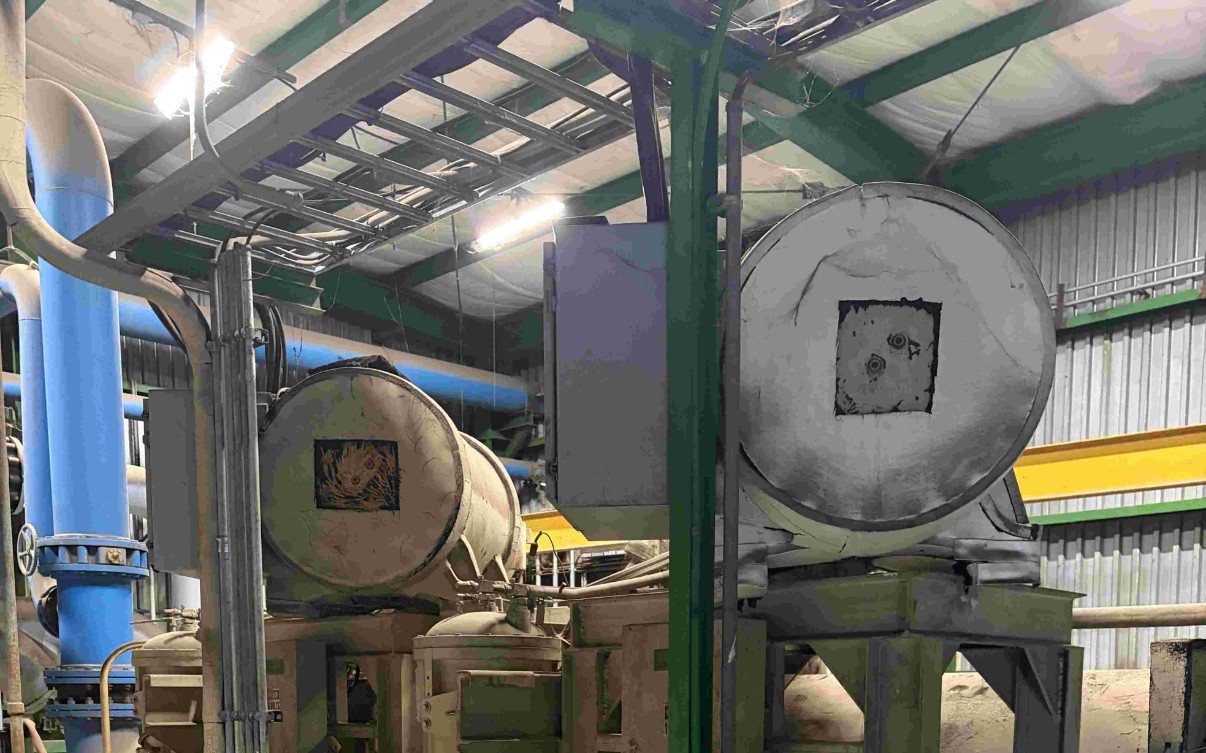
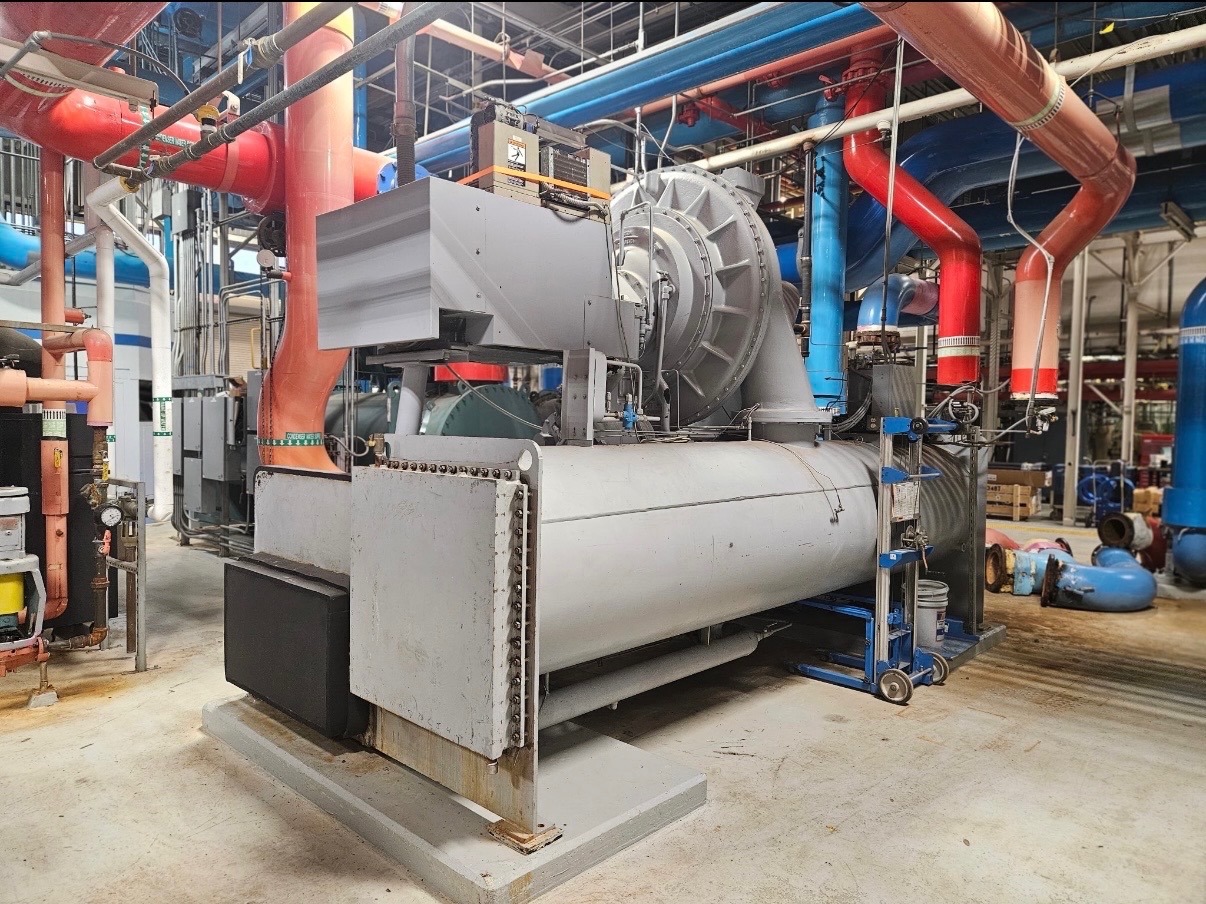
This page is about a 2,000-ton or larger chiller in Florida and the decisions that accompany a used-equipment sale. A non-running machine, an incomplete label or an uncertain service history can still be discussed; do not start or dismantle equipment just to ask for an offer. We buy commercial chillers throughout Florida and consider all refrigerants and tonnages. The owner should identify the machine and the person who can approve its sale, while the facility contact can help explain access. Removal and payment details are then addressed in the proposed agreement.
Cooling capacity is not shipping weight
Chiller capacity is commonly described in tons of cooling. That number is useful for identifying the equipment, but it is not the machine's physical weight and cannot be used on its own to select a crane or transport vehicle. A nameplate, equipment documentation or an existing record may show the capacity; if not, share an approximation and explain its source. For removal, the team also needs reliable dimensions, weight information when available and a clear understanding of the lift path. All tonnages can be considered. Never assume that two machines with similar cooling ratings have identical handling requirements.
How the offer and removal fit together
A useful offer starts with the equipment being sold and the work needed to reach it. A clear photograph, an approximate location within the building and any available nameplate information can help us understand the opportunity. They are helpful starting points, not conditions for a conversation. If some details are unavailable, describe what you do know and point out the gaps. We can discuss a cash offer and the intended scope rather than asking you to guess at a machine's condition. Before any work is scheduled, the owner and buyer should agree which machine and accompanying items are included, the payment timing and how access will be arranged.
Identify equipment and connections that must remain
A chiller can sit beside pumps, controls, piping and other machinery that are not part of the sale. Some connections may serve more than one piece of equipment, so a visual boundary around the machine is not always the whole project boundary. Identify the intended unit and let the facility's knowledgeable contact explain what must stay in service. Do not label a shared component as surplus merely because it is nearby. The buyer and owner should agree whether any auxiliary items are included and how the necessary disconnects will be coordinated before work starts.
Define responsibilities before the crew arrives
A clear project discussion identifies who is supplying access, who speaks for the owner and which removal tasks the buyer will handle. We handle crane and rigging, refrigerant recovery, disconnects, loading, freight and hauling as needed under the agreed scope. The facility contact can explain site-specific rules, operational constraints and the location of the equipment. If another contractor is involved, clarify the handoff between parties rather than leaving it implicit. Keep the commercial agreement and the site plan aligned so everyone knows which machine is being purchased and what is expected on the day of removal.
Describe the access path early
Access planning begins where the equipment sits and continues to the place where it can be loaded. Explain whether the chiller is on a roof, at ground level or inside a building, and identify any known restrictions such as narrow doors, active work areas or limited staging space. These are questions to resolve, not assumptions about any particular property. The removal team can use the information to plan rigging and loading appropriate to the job. The facility contact should also explain how personnel enter the site and whether another trade is expected to be working along the same route.
Separate electrical and mechanical disconnect planning
A chiller may have electrical, control, refrigerant and fluid connections, each of which should be considered in the removal scope. The fact that a machine is not running does not establish that every connection is isolated. Tell the buyer whether the equipment remains connected and identify the facility contact who understands the surrounding system. We handle necessary disconnects as agreed, using appropriately qualified personnel. The owner should not cut, open or energize connections for the purpose of requesting an offer. The people responsible for the site can coordinate the work so equipment outside the sale is clearly distinguished.
What to share when you contact us
A productive first conversation can be brief: describe the equipment, its location and the person authorized to sell it. If there are several machines, distinguish them as clearly as the available information allows. Flag known site restrictions, shared connections and any timing needs, without opening or testing the unit. We buy used chillers for cash offers with payment upfront on agreed terms, and we handle the agreed removal and covered freight. Review the equipment boundary and responsibilities with the buyer before work begins.
- Identify the equipment and the person authorized to sell it.
- Share safe photographs or existing records if available; neither testing nor complete records are required.
- Discuss access, included work, payment and timing before scheduling removal.