Start with the equipment and the project
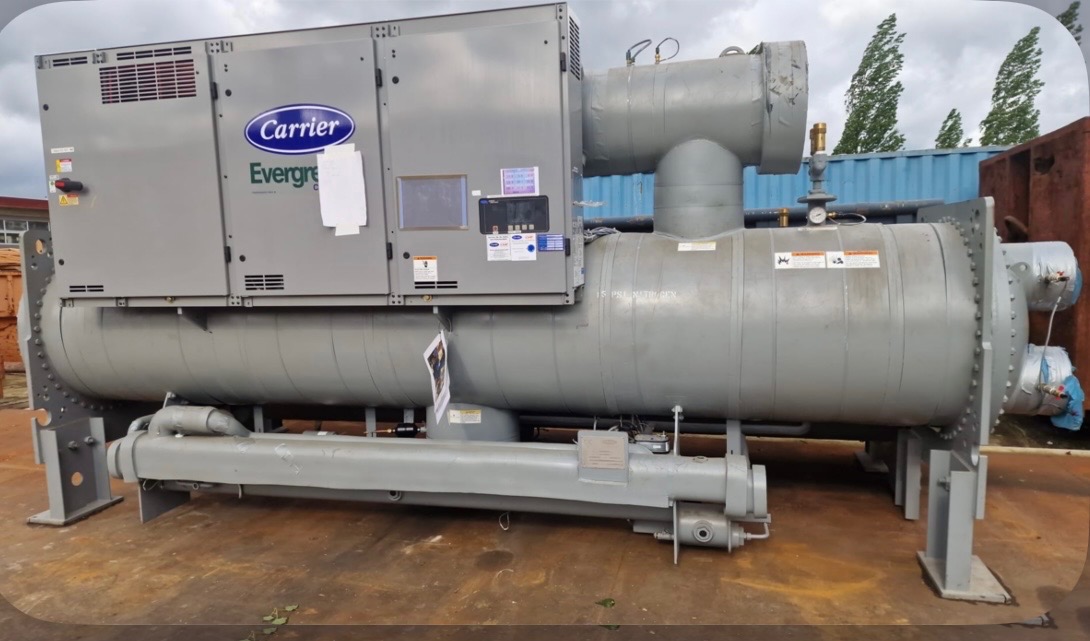
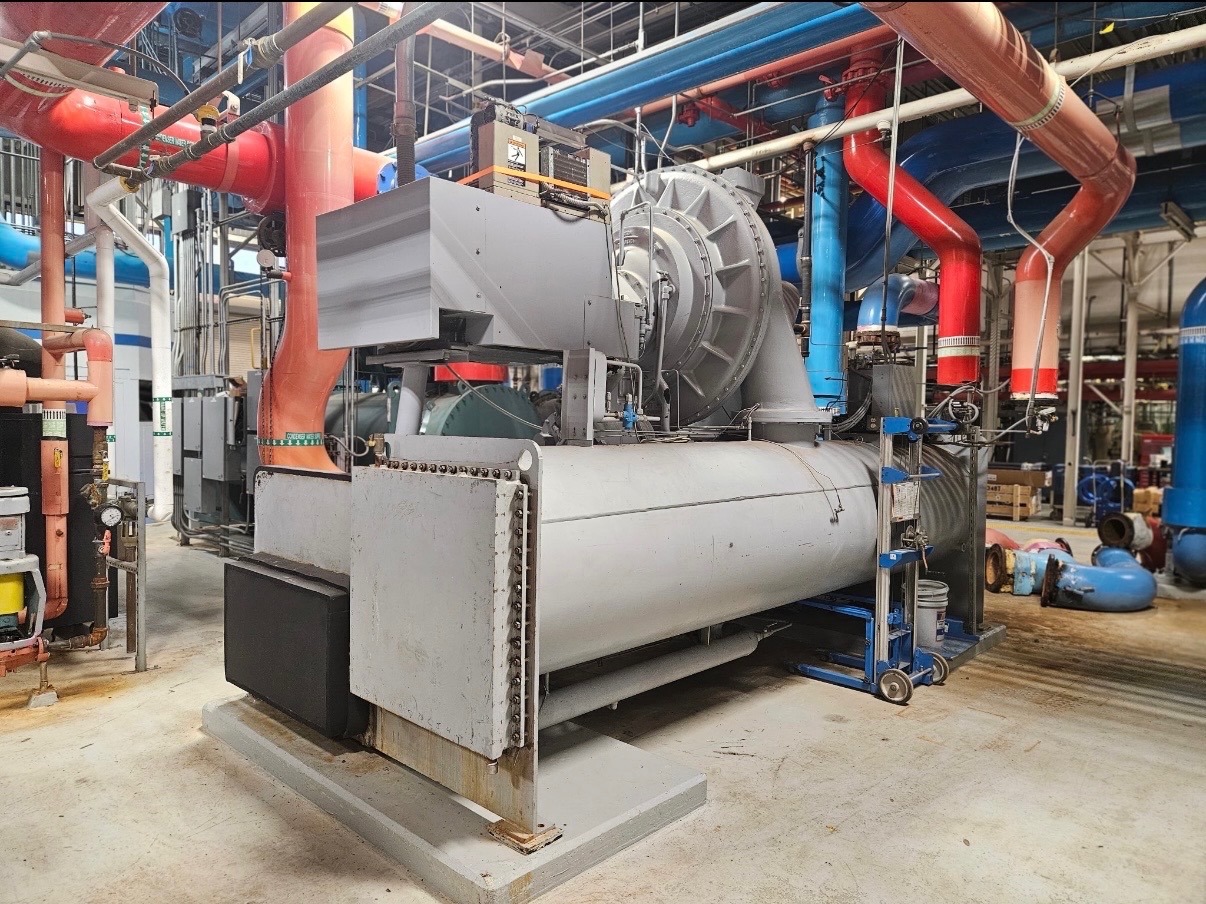
Planning for a Surplus Multistack Chiller in Florida starts by separating two questions: what is being sold, and how can it be removed safely? The answers depend on the actual machine and property, not on a standard assumption about every chiller. We buy used and surplus equipment in Florida, consider all tonnages and refrigerants, and do not require a test run. An owner can share any existing details about the unit, its connections and its location without diagnosing it. Early coordination makes the offer and removal conversation easier to understand.
Identify the actual machine, not just the brand
The manufacturer name is a useful starting point, but it does not by itself identify a chiller's model, capacity, refrigerant, weight or present condition. If an accessible nameplate or equipment record is available, share its details along with a safe photograph of the full unit. If the model cannot be read, describe the machine and its surroundings instead; the absence of a label does not prevent an initial discussion. We are a buyer of used equipment, not a claim of manufacturer authorization or affiliation. The offer and removal approach depend on the actual unit and agreed scope.
Cash offers and payment before removal
We make cash offers and provide payment upfront on the agreed terms. Ask how the proposed payment, equipment description and work scope relate to one another before accepting an offer. For example, an offer for one disconnected machine is not necessarily the same as a proposal involving several machines still tied into a shared system. Clarifying that distinction avoids treating an informal estimate as a finished agreement. There is no promise of a particular price: capacity, identifiable equipment, condition and access are among the details that may affect the proposed transaction. Confirm who can approve the agreement for the owner.
Describe condition without guessing
A machine may be operational, idle, incomplete or of unknown condition. Those descriptions are different, and a buyer benefits from knowing which one applies. If a component has been removed, say what is known rather than assuming the rest of the machine is unusable. If the last operating date is unclear, explain that the date is unknown. Photos taken from a safe position can show visible condition and access, while records may add background if available. None of this requires a fresh operating test. The information helps frame an offer and the removal discussion, not a guaranteed valuation.
Loading, freight and hauling are covered
We handle loading, freight and hauling for the agreed purchase, and all freight is covered. That does not eliminate the need to understand how a machine gets from its present location to the loading point. Tell us whether there is an available staging area, what access a vehicle may have and whether the equipment is still inside or on a roof. If the property has delivery or pickup rules, the facility contact can explain them before scheduling. The buyer and owner should confirm what is included in the removal scope, including any auxiliary items that are intended to travel with the chiller.
Use the nameplate without relying on it exclusively
If it is safe and accessible, a photograph of the equipment nameplate can help identify the manufacturer, model, serial number and rated capacity. Do not remove covers or approach energized equipment simply to take a picture. If a plate is faded, blocked or missing, say so and share whatever identifying information is already available. A broad photograph of the whole machine and its surroundings can provide additional context. Old records can also be useful, but a service history is not required. Each label should be matched to the correct unit when several similar machines are present.
Measure the route as well as the machine
A chiller that fits in its present location may still be difficult to move through the route available for removal. Useful information includes the approximate length, width and height of the equipment, the size of nearby openings and any turns or obstacles between the machine and an appropriate loading area. Record uncertainty instead of presenting an estimate as an exact measurement. A photograph showing the machine in relation to doors, pipes or adjacent equipment can make the discussion more productive. The actual plan depends on the site and should be confirmed by the people responsible for rigging and removal.
What to share when you contact us
A productive first conversation can be brief: describe the equipment, its location and the person authorized to sell it. If there are several machines, distinguish them as clearly as the available information allows. Flag known site restrictions, shared connections and any timing needs, without opening or testing the unit. We buy used chillers for cash offers with payment upfront on agreed terms, and we handle the agreed removal and covered freight. Review the equipment boundary and responsibilities with the buyer before work begins.
- Identify the equipment and the person authorized to sell it.
- Share safe photographs or existing records if available; neither testing nor complete records are required.
- Discuss access, included work, payment and timing before scheduling removal.