Start with the equipment and the project
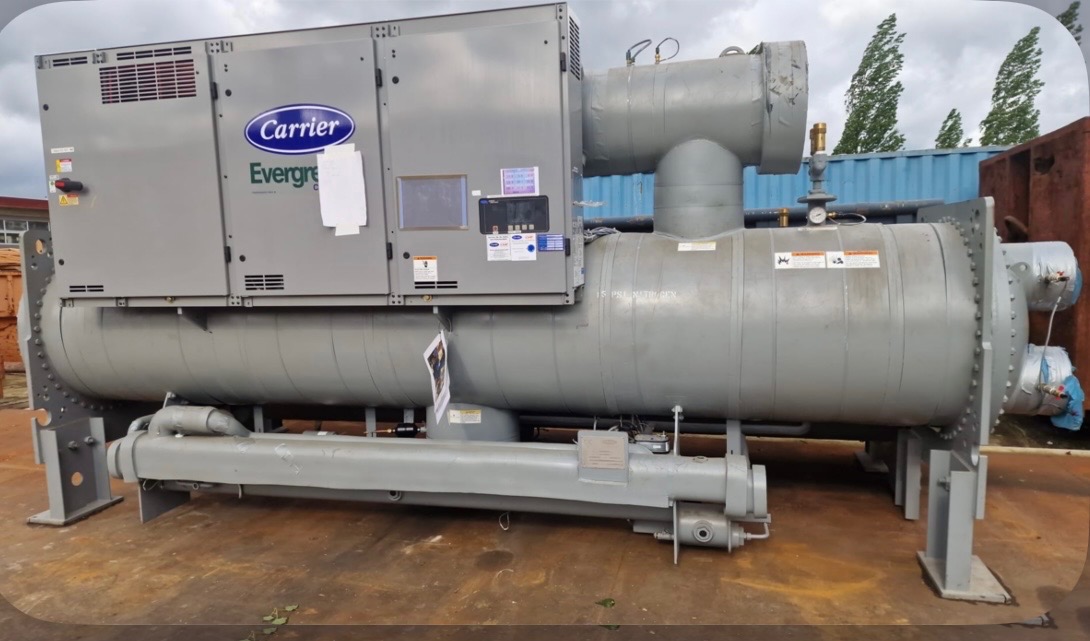
This guide addresses a chiller without testing it in Florida. Selling a machine involves more than stating its cooling capacity: the owner must identify what is included and consider how the buyer can reach it. We buy used and surplus commercial chillers throughout Florida, and all tonnages and refrigerants can be considered. A test run is not required. Even when a nameplate or service history is unavailable, an owner or authorized representative can begin a conversation by describing the equipment, its known condition and its location. The commercial agreement and the physical removal plan should be considered together.
No test run is required
The equipment does not need to be started or tested for us to consider it. That can matter when a chiller is idle, disconnected, missing a component or no longer part of the active cooling plan. Describe the known condition honestly and distinguish what you have observed from information you do not have. A photograph or old service note may be useful, but neither is a prerequisite for making contact. Do not reconnect equipment or attempt a test simply to request an offer. The buyer can review available information and discuss any uncertainties as part of the proposed sale.
Plan lifting and rigging around actual conditions
Rigging is a planning question, not a standard procedure that can be selected from the equipment name alone. The team must understand the load, available attachment information, clearances and the route to a loading area. If a crane is appropriate, its placement and the lift path must be evaluated against the actual property conditions. Other handling methods may be appropriate in different circumstances. We handle the crane and rigging work needed for the agreed project. Owners should not improvise a lift, move a heavy unit or rely on a cooling-capacity number as an estimate of weight.
Decide whether auxiliary items are part of the sale
Not every item next to a chiller automatically belongs in the transaction. Pumps, controls, pipework and other accessories may serve a wider system or may be retained for another project. Tell us which machine you intend to sell and whether any additional components are actually included. When in doubt, identify an item as uncertain rather than promising it to the buyer. The equipment owner and facility team can review the proposed boundary before the offer and removal scope are finalized. This reduces confusion over what is to be disconnected, loaded and hauled away.
Measure the route as well as the machine
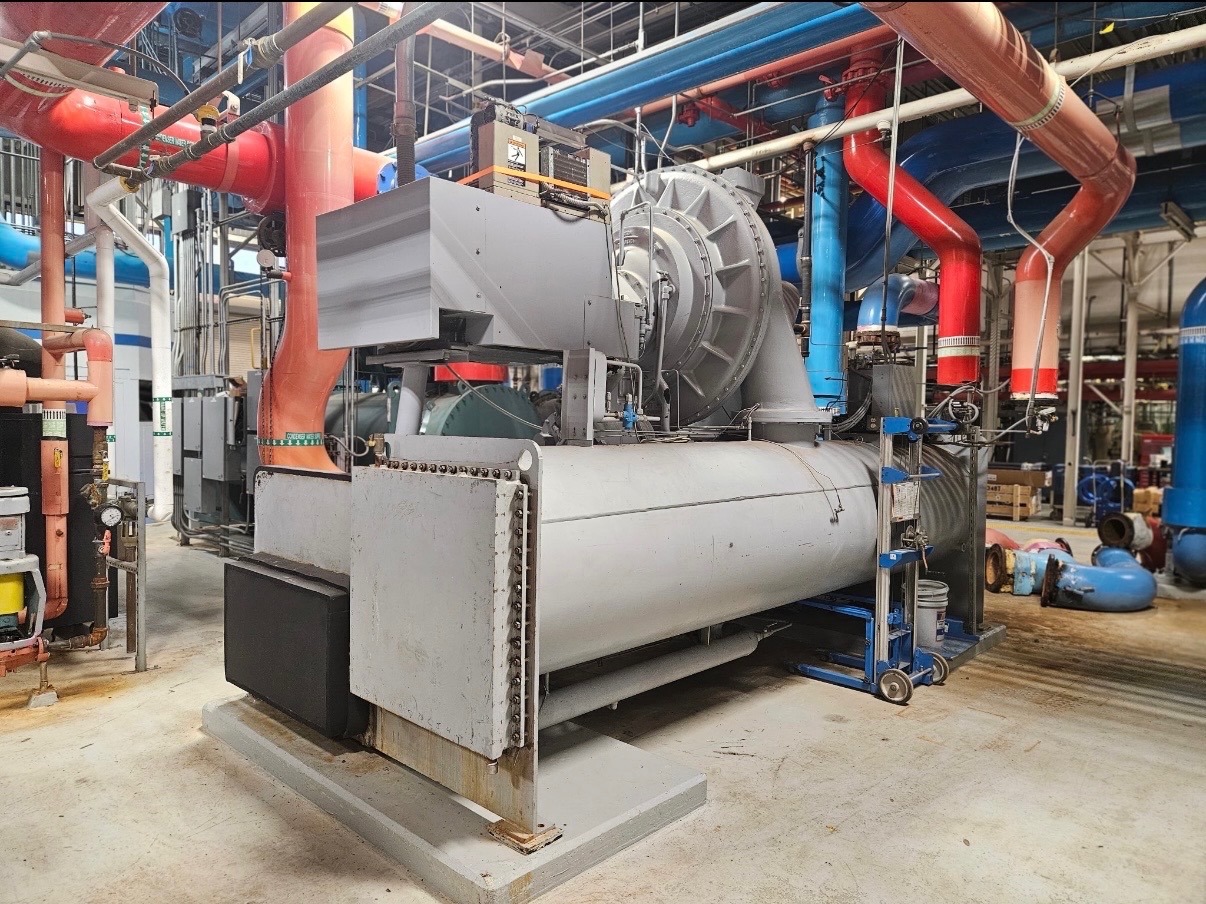
A chiller that fits in its present location may still be difficult to move through the route available for removal. Useful information includes the approximate length, width and height of the equipment, the size of nearby openings and any turns or obstacles between the machine and an appropriate loading area. Record uncertainty instead of presenting an estimate as an exact measurement. A photograph showing the machine in relation to doors, pipes or adjacent equipment can make the discussion more productive. The actual plan depends on the site and should be confirmed by the people responsible for rigging and removal.
Coordinate the work with the facility schedule
A sale may be part of a replacement project, a renovation or the retirement of equipment that has already been idle. Explain the desired timing and whether other work depends on the machine being removed. An occupied facility may need to coordinate access, escorts, temporary staging or a shutdown with its own operations. These needs vary, so raise them early rather than assuming a standard pickup window. The owner and buyer can discuss a schedule after the equipment and access are understood. A timing discussion is not a guarantee that every site can be handled on a particular date.
Identify equipment and connections that must remain
A chiller can sit beside pumps, controls, piping and other machinery that are not part of the sale. Some connections may serve more than one piece of equipment, so a visual boundary around the machine is not always the whole project boundary. Identify the intended unit and let the facility's knowledgeable contact explain what must stay in service. Do not label a shared component as surplus merely because it is nearby. The buyer and owner should agree whether any auxiliary items are included and how the necessary disconnects will be coordinated before work starts.
What to share when you contact us
Tell us what you know about the chiller and what you do not. The location, approximate capacity, manufacturer, condition and surrounding access are useful when available, but missing information does not require a test run. The owner or authorized representative can review the cash offer and upfront payment terms alongside the proposed removal plan. We handle the agreed recovery, disconnects, crane and rigging as needed, and the loading and freight. Freight is covered. Clarify what is included before agreeing to a schedule.
- Identify the equipment and the person authorized to sell it.
- Share safe photographs or existing records if available; neither testing nor complete records are required.
- Discuss access, included work, payment and timing before scheduling removal.