Start with the equipment and the project
Planning for a used Carrier chiller in West Palm Beach, Florida starts by separating two questions: what is being sold, and how can it be removed safely? The answers depend on the actual machine and property, not on a standard assumption about every chiller. We buy used and surplus equipment in Florida, consider all tonnages and refrigerants, and do not require a test run. An owner can share any existing details about the unit, its connections and its location without diagnosing it. Early coordination makes the offer and removal conversation easier to understand.
Service planning starts with the actual property
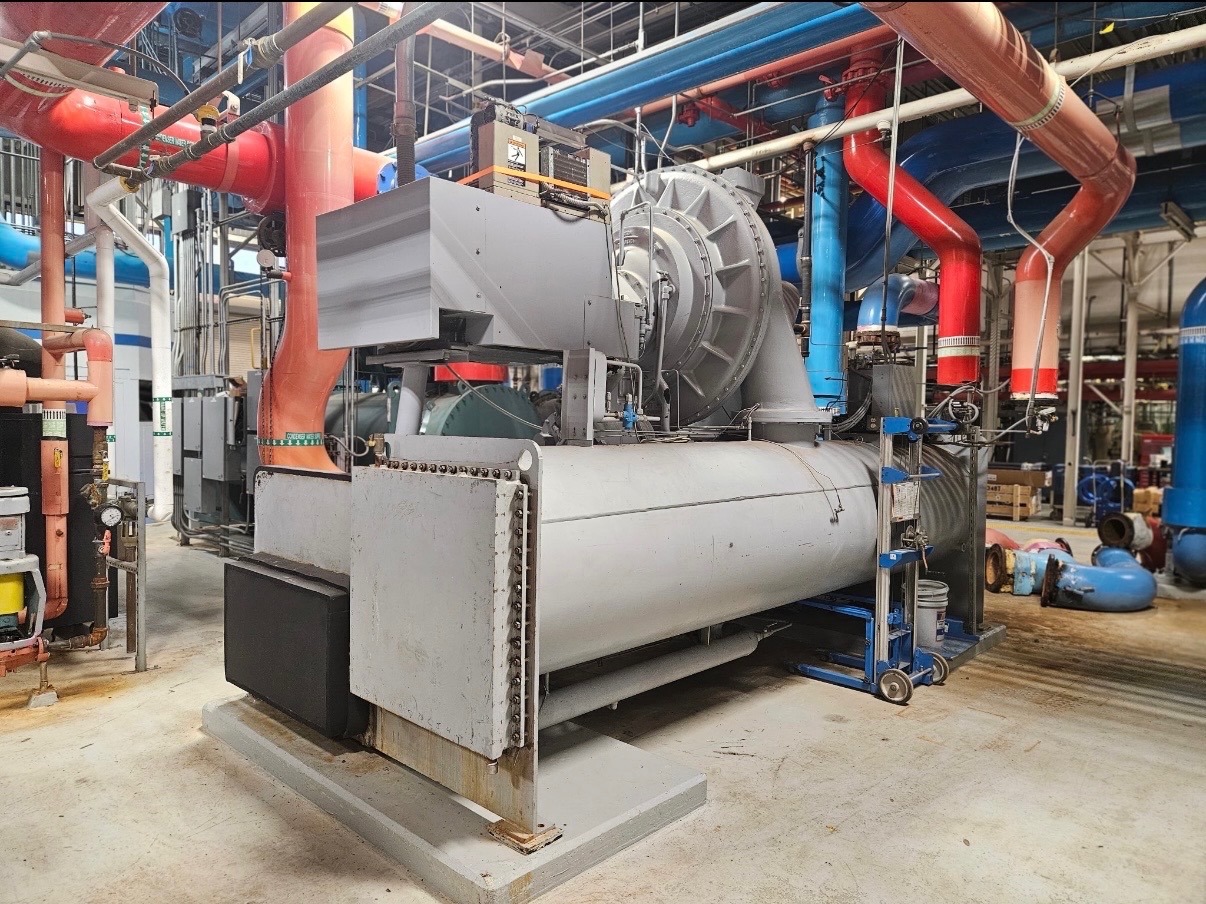
The city or county tells us where a project is being considered, but it does not reveal where a particular machine is located within a property or how it can be removed. Tell us whether the unit is indoors, outside or on a roof, and share any access limits known to the facility team. Avoid assuming that a nearby buyer must have a local office or that every site has the same loading arrangements. We buy used chillers throughout Florida and coordinate the agreed work. The practical plan depends on the equipment, ownership, access and site schedule.
Identify the actual machine, not just the brand
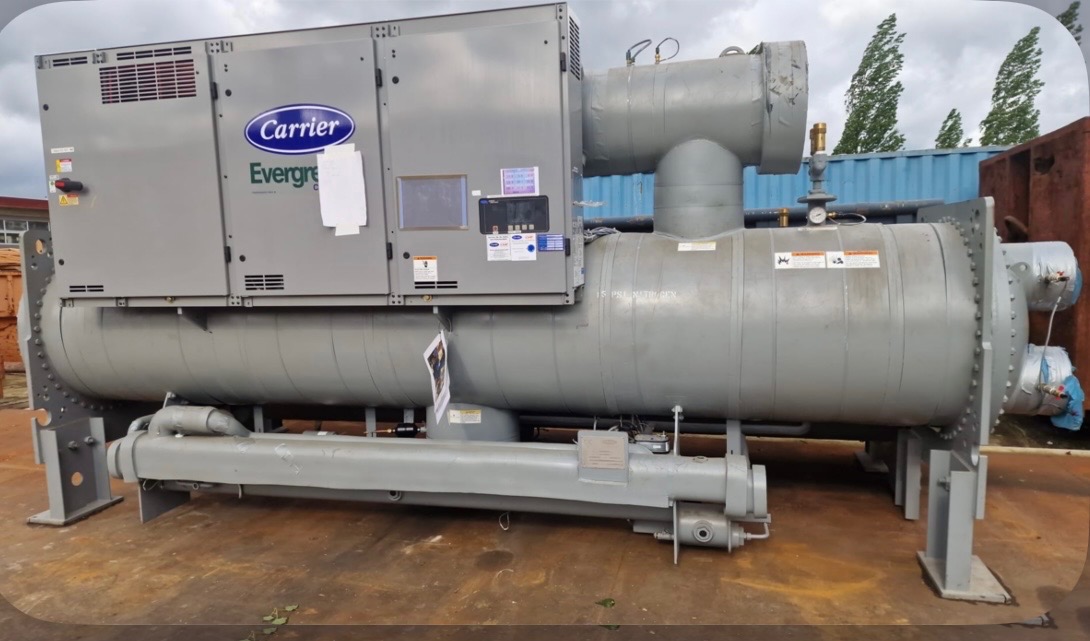
The manufacturer name is a useful starting point, but it does not by itself identify a chiller's model, capacity, refrigerant, weight or present condition. If an accessible nameplate or equipment record is available, share its details along with a safe photograph of the full unit. If the model cannot be read, describe the machine and its surroundings instead; the absence of a label does not prevent an initial discussion. We are a buyer of used equipment, not a claim of manufacturer authorization or affiliation. The offer and removal approach depend on the actual unit and agreed scope.
Refrigerant identification and recovery
All refrigerants can be considered; an owner does not need to identify the refrigerant before making contact. If information is available on a nameplate or in existing records, share it and specify which machine it refers to. Do not assume the original label necessarily describes the present contents. Refrigerant recovery is work for appropriately qualified professionals using a plan suited to the equipment and applicable requirements. We handle recovery as part of the agreed removal scope. Owners should not vent, release or attempt to recover refrigerant themselves merely to prepare a chiller for sale.
Coordinate the owner, operator and contractors
The person requesting an offer may not control the equipment or the building. An owner can authorize a sale, a facility manager may know the operating constraints and a mechanical contractor may understand the connections. These roles can be held by one person or several. Identify the appropriate contacts and make sure the buyer knows whom to ask about each issue. Existing documents and observations are useful, but none should be treated as a substitute for the owner's approval. A coordinated discussion helps define access, shutdown needs, the work scope and the payment terms.
Cash offers and payment before removal
We make cash offers and provide payment upfront on the agreed terms. Ask how the proposed payment, equipment description and work scope relate to one another before accepting an offer. For example, an offer for one disconnected machine is not necessarily the same as a proposal involving several machines still tied into a shared system. Clarifying that distinction avoids treating an informal estimate as a finished agreement. There is no promise of a particular price: capacity, identifiable equipment, condition and access are among the details that may affect the proposed transaction. Confirm who can approve the agreement for the owner.
Loading, freight and hauling are covered
We handle loading, freight and hauling for the agreed purchase, and all freight is covered. That does not eliminate the need to understand how a machine gets from its present location to the loading point. Tell us whether there is an available staging area, what access a vehicle may have and whether the equipment is still inside or on a roof. If the property has delivery or pickup rules, the facility contact can explain them before scheduling. The buyer and owner should confirm what is included in the removal scope, including any auxiliary items that are intended to travel with the chiller.
What to share when you contact us
If the chiller may be available, contact us with a description and the location in Florida. Existing labels, photos and records can help, but they are not prerequisites and the unit does not need to be tested. Explain whether anything must remain connected or operating around it and who has authority to approve the sale. We can discuss the cash offer, upfront payment and the appropriate recovery, disconnect, rigging and freight arrangements. The owner can decide whether the agreed scope suits the project.
- Identify the equipment and the person authorized to sell it.
- Share safe photographs or existing records if available; neither testing nor complete records are required.
- Discuss access, included work, payment and timing before scheduling removal.